
Last Updated on February 19, 2026
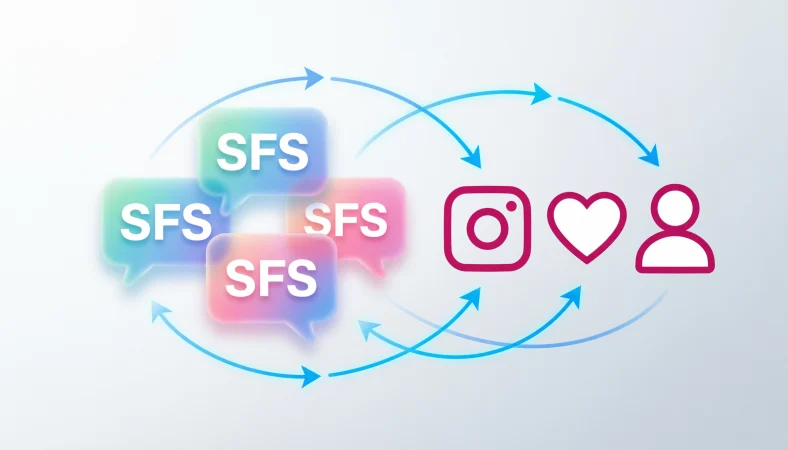
In text and social media slang, “SFS” most commonly means “Shoutout for Shoutout,” a mutual promotion where two users share each other’s content to gain exposure.
Depending on context, SFS can also mean “Snap for Snap” or “Sorry for Spam.”
You’re scrolling through Instagram comments or checking a DM, and someone drops “SFS?” Or maybe you see “SFS anyone?” under a post and wonder if you missed a memo. You didn’t. You just ran into modern internet slang short, fast, and very platform specific.
So, what do SFS mean in text? The answer depends on where you see it and how it’s used. In this guide, we’ll unpack every common meaning of SFS, explain where it came from, show real-world examples, compare it with similar slang, and help you use (or avoid) it confidently.
Let’s decode it together 👇
🔥 Why “SFS” Is Everywhere Online
Social media runs on attention. Likes, views, followers, and reach matter especially for creators, small businesses, and influencers. SFS became popular because it offers a simple deal:
I promote you → you promote me.
It’s quick, informal, and understood by many online communities, especially on Instagram, Snapchat, TikTok, and Twitter (X).
🧠 What Does SFS Mean in Text?
Let’s break down the three most common meanings of SFS, starting with the one you’ll see most often.
1. SFS = Shoutout for Shoutout (Most Common)
This is the primary and most widely accepted meaning of SFS in text and social media.
Shoutout for Shoutout means:
- You post or mention someone
- They post or mention you back
- Both accounts gain exposure
Where It’s Used
- Instagram captions and comments
- TikTok DMs
- Twitter/X replies
- Creator group chats
Example
“SFS? Trying to grow my page 😊”
Tone: Friendly, casual, promotional
2. SFS = Snap for Snap
On Snapchat, SFS often means Snap for Snap.
This refers to:
- Sending a snap to someone
- They send one back
- Used to maintain streaks or engagement
Example
“SFS?”
(Meaning: Want to exchange snaps?)
Tone: Casual, social
3. SFS = Sorry for Spam
Less common, but still used—especially in group chats.
Here, SFS is an apology after sending multiple messages.
Example
“SFS 😅 didn’t mean to blow up the chat”
Tone: Polite, apologetic
🧾 Example Table: Meanings of SFS by Platform
| Meaning | Full Form | Common Platforms | Tone |
| SFS | Shoutout for Shoutout | Instagram, TikTok, Twitter | Promotional |
| SFS | Snap for Snap | Snapchat | Casual |
| SFS | Sorry for Spam | Group chats, texting | Polite |
📜 Origin of “SFS” in Text Slang
Where Did SFS Come From?
SFS emerged alongside:
- Instagram growth culture
- Influencer marketing
- Early Snapchat engagement strategies
As social platforms grew more competitive, users needed short, efficient ways to propose collaboration. Acronyms like SFS, L4L, and F4F took off because they saved time and space.
Why It Became Popular
- Easy to type
- Widely understood in creator circles
- Encourages mutual benefit
- Fits comment sections and DMs perfectly
Over time, SFS became a staple of online promotion slang.
🌍 Real-World Usage of SFS Today
You’ll most commonly see SFS used by:
- Content creators
- Influencers
- Small businesses
- Meme pages
- Fan accounts
- Teen and Gen Z users
It’s less common in private one-on-one texting unless Snapchat is involved.
💬 Examples of SFS in Context (With Tone)
😊 Friendly / Promotional
“Love your content! SFS sometime?”
😐 Neutral / Informational
“Doing SFS with similar niche pages only.”
😬 Negative / Dismissive
“Stop asking for SFS, please.”
📱 Snapchat Casual
“SFS?”
(Quick check-in for Snap exchange)
⚠️ Tone Matters: When SFS Can Feel Annoying
While SFS is common, it can be:
- Spammy if overused
- Unprofessional in business settings
- Ignored if sent without context
Pro Tip
Always personalize your SFS request. A simple compliment goes a long way.
🔄 SFS vs Similar Text Abbreviations
Let’s compare SFS with related social media slang.
SFS vs L4L
| Term | Meaning |
| SFS | Shoutout for Shoutout |
| L4L | Like for Like |
SFS vs F4F
| Term | Meaning |
| SFS | Mutual promotion |
| F4F | Follow for Follow |
SFS vs Collab
| Term | Meaning |
| SFS | Quick shoutout exchange |
| Collab | Planned content partnership |
🔁 Alternate Meanings of SFS
In non-slang contexts, SFS can also stand for:
- Store-and-Forward Switching (technology)
- San Francisco Symphony
- Secure File System
However, in texting and social media, these meanings are rare.
🧑💼 Polite or Professional Alternatives to SFS
If you want a more professional tone, especially for business or brand outreach, try:
- “Would you like to collaborate?”
- “Interested in a mutual promotion?”
- “Open to a content partnership?”
- “Would you like to cross-promote?”
These sound more respectful and intentional.
🧠 Usage Tips: How to Use SFS the Right Way
✔ Do:
- Use it with similar-sized accounts
- Add context or a compliment
- Be clear about expectations
✖ Don’t:
- Spam strangers repeatedly
- Use it in formal emails
- Assume everyone wants to participate
🧾 Example Table: Slang vs Professional Messaging
| Slang Message | Professional Alternative |
| “SFS?” | “Would you be open to a mutual shoutout?” |
| “SFS anyone?” | “Looking for collaboration opportunities” |
| “SFS pls” | “Interested in cross-promotion” |
FAQs
1. What do SFS mean in text?
Most commonly, it means Shoutout for Shoutout.
2. Is SFS only for Instagram?
No, it’s also used on Snapchat, TikTok, and Twitter.
3. What does SFS mean on Snapchat?
Usually Snap for Snap.
4. Is SFS slang?
Yes, it’s informal internet slang.
5. Is SFS rude?
Not inherently—but it can feel spammy if misused.
6. Can SFS help grow followers?
Yes, when used strategically and authentically.
7. What does SFS mean in group chats?
Often Sorry for Spam.
8. Should businesses use SFS?
Only in casual creator spaces otherwise use professional wording.
Conclusion
So, what do SFS mean in text? Most of the time, it’s a friendly shorthand for Shoutout for Shoutout, especially on social media. Depending on the platform, it can also mean Snap for Snap or Sorry for Spam.
- SFS is context-dependent
- Most common meaning: mutual promotion
- Popular on Instagram and Snapchat
- Casual, not professional
- Best used thoughtfully, not spammed
Understanding SFS helps you navigate modern online conversations with confidence and maybe even grow your audience along the way.

Ethan Ware is a digital writer and internet culture enthusiast who stays on top of the latest slang, trends and viral phrases. He specializes in making modern language easy to understand for readers of all ages.