
Last Updated on April 2, 2026
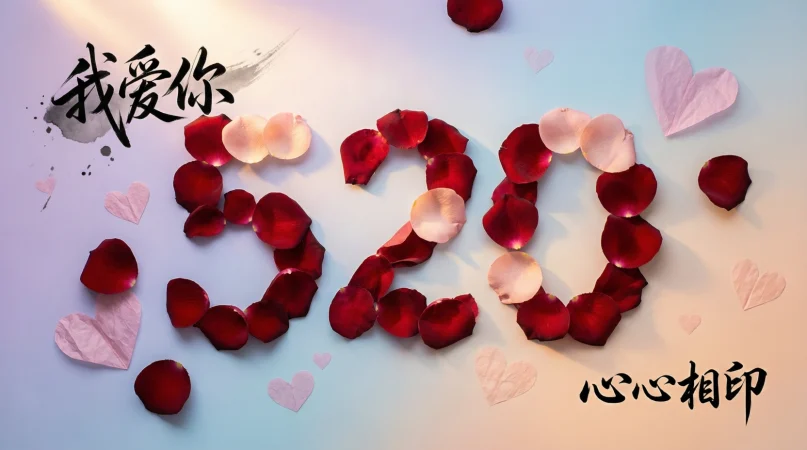
In Chinese culture, 520 means “I love you.” The numbers 五二零 (wǔ èr líng) sound similar to the Mandarin phrase wǒ ài nǐ (我爱你), which directly translates to “I love you.” This numeric slang originated in early Chinese internet chat rooms and became widely popular through texting and apps like WeChat. Today, 520 is used in romantic messages, social media posts, and even digital payments as a sweet expression of love.
If you’ve ever seen “520” in a text message, WeChat post, or social media caption especially around May you might have wondered why three simple numbers cause so much excitement in Chinese culture.
In China, numbers don’t just count things. They speak.
Thanks to the tonal nature of Mandarin Chinese, numbers often sound similar to full phrases. Over time, this has led to a unique form of numeric wordplay, where digits replace emotions, confessions, and even entire sentences.
Among all numeric slang expressions, 520 stands out as the most famous and the most romantic.
This article breaks down what 520 means in Chinese, where it came from, how it’s used in real life, how it compares to similar expressions, and how to use it naturally without sounding awkward or out of place.
What Does 520 Mean in Chinese?
Literal and Cultural Meaning
- 520 = “I love you”
- Chinese characters: 五二零 (wǔ èr líng)
- Implied phrase: 我爱你 (wǒ ài nǐ)
The meaning isn’t literal it’s based on phonetic similarity. When spoken quickly, wǔ èr líng sounds close enough to wǒ ài nǐ that native speakers immediately recognize the emotional intent.
Why It Works Phonetically
| Number | Mandarin Pronunciation | Similar Sound |
| 5 | wǔ | wǒ (I / me) |
| 2 | èr | ài (love) |
| 0 | líng | nǐ (you) |
While not a perfect match, Mandarin speakers are accustomed to tone-based wordplay, so the meaning is instantly understood.
The Origin of 520: How Did It Become “I Love You”?
Early Internet Culture in China
The use of 520 as “I love you” began in early Chinese internet forums and chat rooms in the late 1990s and early 2000s. At the time:
- Typing Chinese characters was slower
- Numeric keypads were faster and more convenient
- Young users enjoyed playful language shortcuts
Numbers quickly became a creative way to express feelings—especially romantic ones.
Rise Through Texting and Messaging Apps
As SMS, QQ, and later WeChat became dominant, numeric slang spread rapidly. 520 gained popularity because it was:
- Easy to type
- Easy to remember
- Emotionally clear
- Slightly playful but sincere
Over time, it moved from niche internet slang into mainstream culture.
520 and Chinese Valentine’s Day (May 20)
Why May 20 (5/20) Is Special
May 20 (written as 5/20) looks exactly like 520, which has led to the unofficial celebration of Internet Valentine’s Day (网络情人节) in China.
On this day:
- Couples exchange gifts
- People confess their feelings
- Brands launch romantic promotions
- Social media fills with love posts ❤️
How It’s Celebrated
Common traditions include:
- Sending “520” or “5201314” via text
- Giving flowers, jewelry, or red envelopes
- Posting love confessions online
- Proposals and anniversaries
In recent years, May 20 rivals traditional Valentine’s Day in popularity among younger generations.
How 520 Is Used in Real Life
1. Text Messages & Chats
The most common use is in private conversations.
Examples:
- “520 ❤️”
- “我想对你说一句:520”
- “晚安,520”
Tone: Romantic, affectionate, warm
2. Social Media Captions
Often paired with emojis or photos.
Examples:
- “今天是520,我想说给你听 💕”
- “520 给最重要的人”
- “520,不多说了 😘”
Tone: Public, celebratory, sweet
3. Digital Payments & Gifts
Sending ¥5.20, ¥52.0, or ¥520 through apps like WeChat Pay is a symbolic romantic gesture.
Tone: Playful but meaningful
Tone Variations: How 520 Feels in Different Contexts
| Context | Tone | Meaning |
| Romantic partner | Loving, intimate | “I love you” |
| New crush | Cute, shy | “I like you a lot” |
| Married couple | Warm, reaffirming | “Still in love” |
| Joke between friends | Playful | Light affection |
| Professional setting | ❌ Avoid | Too personal |
Common Variations and Related Number Slang
Popular Numeric Love Codes in Chinese
| Number | Meaning | Usage |
| 520 | I love you | Most common |
| 521 | I love you | More direct tone |
| 5201314 | Love you forever | Deep commitment |
| 1314 | For a lifetime | Long-term love |
| 88 | Bye-bye | Casual goodbye |
| 666 | Awesome / skilled | Praise |
520 vs 521: What’s the Difference?
- 520 – Softer, more indirect, often used by women
- 521 – Slightly more direct, often used by men
In practice, both mean “I love you” and are interchangeable.
Alternate Meanings of 520
Outside of romantic slang, 520 can have neutral meanings, though context usually makes the intent obvious.
Possible Non-Romantic Meanings
- A random number
- A date (May 20)
- An internet reference
- A payment amount
Without romantic context, it may not carry emotional meaning—but in Chinese digital culture, romance is the default interpretation.
Polite or Professional Alternatives to 520
In formal or professional settings, using 520 is not appropriate. Here are better alternatives:
Formal Chinese Expressions
- 我很欣赏你 (I admire you)
- 非常感谢你 (Thank you very much)
- 我很在乎你 (I care about you)
Neutral English Alternatives
- “Best wishes”
- “With appreciation”
- “Warm regards”
Example Usage Table
Table: 520 Usage by Context
| Situation | Example Message | Appropriate? |
| Romantic text | “520 ❤️” | ✅ Yes |
| Anniversary post | “5201314” | ✅ Yes |
| Friend chat | “哈哈,520” | ⚠️ Depends |
| Work email | “520” | ❌ No |
| Payment gift | ¥5.20 | ✅ Yes |
Cultural Significance of 520 in Modern China
520 reflects several deeper cultural trends:
- Digital communication shaping language
- Younger generations redefining romance
- Playful emotional expression
- Blending tradition with modern tech
It’s a perfect example of how language evolves with technology, while still carrying emotional depth.
FAQs
1. What does 520 mean in Chinese texting?
It means “I love you” and is commonly used in romantic messages.
2. Is 520 only used between couples?
Mostly, but close friends may use it jokingly or playfully.
3. Why does 520 sound like “I love you”?
Because its Mandarin pronunciation resembles wǒ ài nǐ.
4. What is 5201314 in Chinese?
It means “I love you forever.”
5. Is May 20 a real holiday in China?
Not officially, but it’s widely celebrated as Internet Valentine’s Day.
6. Can foreigners use 520?
Yes—native speakers often find it cute and charming.
7. Is 520 appropriate in formal writing?
No, it’s informal and romantic.
8. What’s the difference between 520 and 521?
Both mean “I love you”; 521 is slightly more direct.
Conclusion
In Chinese culture, 520 is more than a shortcut it’s a feeling.
It represents modern love, digital creativity, and emotional expression wrapped into three simple digits. Whether whispered in a late-night text, posted on social media, or sent as a symbolic payment, 520 carries warmth, intention, and affection.
If you understand when and how to use it, 520 becomes a beautiful way to say something timeless:
“I love you.”

James Colton is a language researcher and content writer who loves exploring the deeper meanings behind everyday words. With a background in linguistics, he breaks down complex terms into simple, clear explanations that anyone can understand.