
Last Updated on February 18, 2026
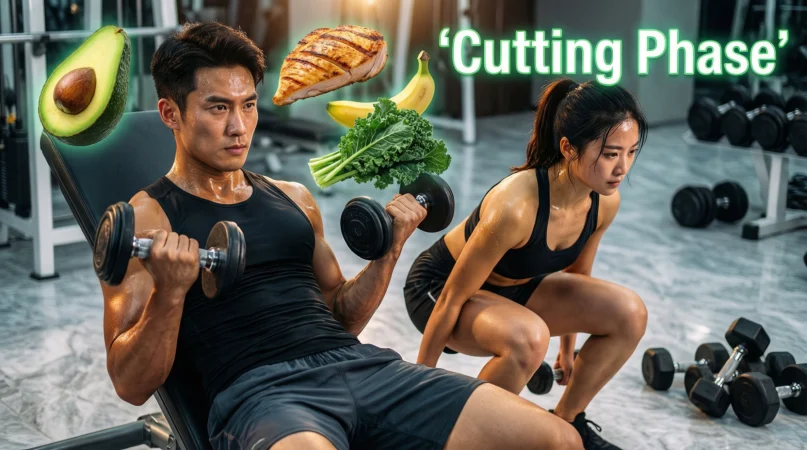
Cutting in fitness is a phase in a workout and nutrition plan where the primary goal is to reduce body fat while preserving as much muscle mass as possible. This process usually involves a combination of calorie-controlled eating, resistance training, and cardiovascular exercises.
If you’ve ever scrolled through Instagram fitness accounts, watched bodybuilding competitions, or even chatted with a gym buddy, you’ve probably heard the term “cutting.” But what does cutting mean in fitness, and why does it matter?
Cutting is not just about looking good in a swimsuit or flexing in front of the mirror. It’s a strategic approach to body composition aimed at lowering body fat while maintaining lean muscle. Unlike general weight loss, cutting emphasizes muscle preservation and toned aesthetics.
In this article, we’ll dive deep into everything you need to know about cutting its purpose, methods, benefits, examples, and even common misconceptions. By the end, you’ll have a full toolkit to approach your fitness goals intelligently.
Origin and Popularity of the Term “Cutting”
The term “cutting” originated in bodybuilding circles in the 1970s and 1980s. Competitive bodybuilders needed to showcase their muscle definition on stage, so they developed phases of “bulking” (building muscle) followed by “cutting” (reducing fat).
Today, cutting has gone mainstream. Fitness influencers, athletes, and everyday gym-goers use cutting strategies to look leaner, improve performance, or simply boost confidence. It’s no longer limited to professional bodybuilders—it’s part of everyday fitness culture.
Cutting vs. Other Fitness Phases
Understanding cutting is easier when we compare it with other common fitness phases:
| Phase | Goal | Focus | Example Activities |
| Bulking | Gain muscle mass | High-calorie intake, strength training | Heavy lifting, protein-rich diet |
| Cutting | Lose body fat while preserving muscle | Calorie deficit, resistance training | Moderate weights, cardio, lean diet |
| Maintenance | Maintain current body composition | Balanced calories and training | Mixed strength + cardio, balanced diet |
✅ Key takeaway: Cutting is not the same as dieting. While dieting often focuses purely on weight loss, cutting focuses specifically on fat reduction without sacrificing hard-earned muscle.
How Cutting Works: The Science Behind Fat Loss 🧬
Cutting revolves around creating a calorie deficit, which means consuming fewer calories than your body burns. But unlike general weight loss, cutting also incorporates strategic macronutrient adjustments:
- Protein: High intake preserves muscle mass.
- Carbohydrates: Managed to fuel workouts without excess fat gain.
- Fats: Kept moderate for hormone balance.
Resistance training is crucial. Lifting weights signals your body to retain muscle tissue, while cardio can accelerate fat loss. Many fitness enthusiasts also cycle their calorie intake and training intensity, a method known as “diet periodization.”
Cutting Examples in Real Life
Here are three common scenarios of cutting:
- Friendly: A gym-goer wants a visible six-pack for summer. They reduce calories slightly, maintain protein intake, and do 3–4 days of weight training plus moderate cardio. ✅
- Neutral: An amateur athlete wants to improve performance in a weight-class sport like wrestling. Cutting helps them meet the weight category while retaining strength. ⚖️
- Dismissive/Negative: Someone adopts extreme cutting practices, drastically reducing calories or overtraining. This may lead to fatigue, hormonal imbalance, or muscle loss. ⚠️
Cutting Methods: Tips and Strategies
To successfully cut without losing muscle, consider these strategies:
1. Nutrition First
- Calculate your calorie deficit: Start with 10–20% fewer calories than maintenance.
- Prioritize protein: Aim for 1.2–2.2 grams per kg of body weight.
- Balance carbs and fats: Moderate carb intake for energy; healthy fats for hormones.
2. Strength Training
- Focus on compound lifts like squats, deadlifts, and bench presses.
- Maintain intensity: Don’t drastically reduce weights—your muscles need the stimulus.
3. Cardio
- Include low-to-moderate intensity cardio 2–4 times per week.
- High-intensity interval training (HIIT) is effective but can be taxing if overdone.
4. Track Progress
- Monitor body fat percentage rather than just scale weight.
- Use photos or measurements for a realistic view of progress.
Cutting vs. Leaning vs. Shredding: A Quick Comparison
- Cutting: Focused fat loss while preserving muscle.
- Leaning: General fat reduction for everyday fitness; not necessarily for aesthetics.
- Shredding: Extreme form of cutting, often for competitions, emphasizing very low body fat (5–10% for men, 12–15% for women).
Alternate Meanings of “Cutting”
While the fitness world uses “cutting” in the context of fat loss, the term can also appear elsewhere:
- Cutting-edge: Referring to the latest technology or innovation.
- Paper cutting / Crafting: Physical act of slicing materials.
- Negative slang: Self-harm (contextually sensitive).
When talking about fitness, it’s polite and professional to clarify:
“I’m in a cutting phase for my training”
Labeled Example Table: Cutting Meal Plan
| Meal | Food Options | Purpose |
| Breakfast | Egg whites, oatmeal, berries | High protein + slow carbs |
| Snack | Greek yogurt, almonds | Protein & healthy fats |
| Lunch | Grilled chicken, quinoa, vegetables | Balanced macros for energy |
| Snack | Protein shake, banana | Muscle recovery & moderate carbs |
| Dinner | Salmon, broccoli, sweet potato | Protein & nutrient-dense carbs |
Common Cutting Mistakes to Avoid ❌
- Excessive calorie restriction → muscle loss & fatigue.
- Skipping resistance training → lose muscle, not just fat.
- Neglecting recovery → insufficient sleep hinders fat loss.
- Overdoing cardio → can lead to burnout and injury.
✅ Pro tip: Cutting works best when slow and sustainable about 0.5–1% body fat reduction per week.
FAQs
- How long does a cutting phase last?
Typically 6–12 weeks, depending on goals and starting body fat. - Can women cut the same way as men?
Yes, but women may need slightly higher calories and careful hormone management. - Do I have to do cardio to cut?
Not necessarily; calorie control and strength training can be enough. Cardio just accelerates fat loss. - Will I lose muscle while cutting?
If protein intake is sufficient and strength training is maintained, muscle loss is minimal. - What’s the difference between cutting and dieting?
Cutting prioritizes muscle preservation; general dieting may lead to overall weight loss without focus on lean mass. - Can I cut without losing strength?
Yes, by maintaining lifting intensity and protein intake. - Is cutting safe for beginners?
Absolutely, as long as the calorie deficit isn’t extreme and training is balanced. - Should I use supplements while cutting?
Supplements like whey protein, BCAAs, or caffeine can help, but they’re optional if nutrition is solid.
Conclusion
- Cutting is more than weight loss: It’s a strategic phase to reduce body fat while maintaining muscle.
- Nutrition is the foundation: Focus on protein and a moderate calorie deficit.
- Strength training is essential: Muscle preservation is key.
- Track your progress: Use measurements, photos, and body fat percentages, not just the scale.
- Be patient: Sustainable cutting leads to better results than extreme dieting.
By approaching cutting with knowledge, balance, and discipline, you can achieve a lean, toned physique while staying strong and healthy.

Ethan Ware is a digital writer and internet culture enthusiast who stays on top of the latest slang, trends and viral phrases. He specializes in making modern language easy to understand for readers of all ages.