
Last Updated on February 19, 2026
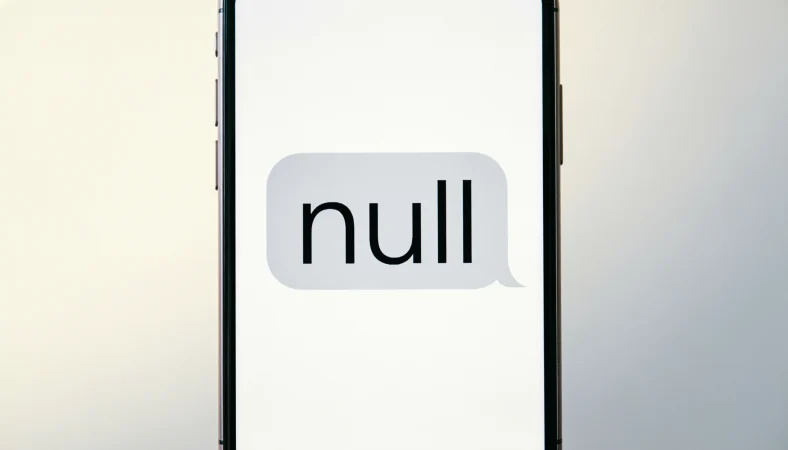
In text or digital communication, “null” means that something has no value, no data, or no content.
It often indicates that information is missing, unavailable, not applicable, or intentionally left empty.
Have you ever received a message that simply said “null” and paused, wondering what on earth the sender meant? No emoji. No explanation. Just null. In a world where texting is fast, casual, and often vague, a single word like this can feel confusing or even a little cold.
So, what does null mean in text? Is it rude? Technical? A mistake? Or does it actually say more than it seems?
In this comprehensive guide, we’ll unpack the meaning of null in texting and digital communication, explain where it comes from, how it’s used in real life, and what tone it carries depending on context. We’ll also compare it with similar terms like N/A, none, or blank, and show you polite or professional alternatives you can use instead.
Whether you saw “null” in a text message, chat app, form, or system response, this article will help you understand it clearly and confidently.
What Does “Null” Literally Mean?
At its core, the word null means:
- Zero
- Nothing
- Empty
- Invalid
- Having no value or effect
The term comes from formal and technical language, which is why it can feel unusual or out of place in casual texting.
Unlike words such as none or nothing, null often implies a deliberate or system-recognized absence, rather than a casual one.
Origin of the Word “Null”
Linguistic Roots
The word null comes from the Latin word nullus, meaning:
- “Not any”
- “None”
- “No one”
Over time, it entered English through legal, mathematical, and scientific usage.
Entry Into Digital & Texting Culture
“Null” became widely popular through:
- Computer programming
- Databases
- Software systems
- Error messages
- Online forms
From there, it slowly made its way into:
- Workplace chats
- Technical texting
- Casual messages (especially among tech-savvy users)
Why Is “Null” Used in Text Messages?
People use null in text for several reasons, depending on context and personality.
Common Reasons:
- To indicate no data available
- To respond when something is not applicable
- To sound concise or technical
- To be neutral or emotionally detached
- To copy system or form language into chat
In short, null is efficient but not always warm.
Real-World Usage of “Null” in Texting
Let’s look at how null shows up in everyday communication.
1. Casual or Friendly Usage (Rare)
This is uncommon, but it happens usually playfully or ironically.
Example:
- “Plans for tonight?”
“Null 😅”
Tone: Light, joking, slightly sarcastic
Meaning: “Nothing planned”
2. Neutral or Informational Usage (Most Common)
Often used in professional, academic, or technical settings.
Examples:
- “The value for that field is null.”
- “Response came back as null.”
Tone: Neutral, factual
Meaning: No data or value exists
3. Dismissive or Cold Usage (Context-Dependent)
In casual conversation, null can feel abrupt or emotionally distant.
Examples:
- “What did you think about it?”
“Null.”
Tone: Cold, dismissive, uninterested
Meaning: “I have no opinion” or “I don’t care”
⚠️ Important: Tone matters. Without context or emojis, null can come across as rude.
What Does Null Mean in Different Contexts?
The meaning of null shifts depending on where you see it.
1. Null in Text Messages
In texting, null usually means:
- Nothing
- No response
- No feeling
- No data
But it often sounds impersonal.
2. Null in Online Forms
In forms or databases:
- “Null” means a field was left empty
- No value was entered or recorded
This is not an error—it simply means “no data.”
3. Null in Programming or Tech Chats
In technical language:
- Null = variable exists but has no value
- Different from zero or false
Example:
“The function returned null.”
4. Null in Social Media or Chats
On platforms like WhatsApp, Discord, or Slack:
- Often used jokingly
- Sometimes copied from system messages
- Can feel dry without context
Null vs Similar Terms (Key Comparisons)
Many people confuse null with other words that seem similar. Let’s break them down clearly.
Comparison Table: Null vs Related Terms
| Term | Meaning | Tone Level | Common Use Case |
| Null | No value / no data exists | Neutral–Cold | Tech, forms, brief replies |
| None | Not any / nothing | Neutral–Friendly | Everyday speech |
| N/A | Not applicable | Professional | Forms, reports |
| Blank | Empty but fillable | Neutral | Documents |
| Zero (0) | Numerical value | Technical | Math, stats |
| Nothing | Casual absence | Friendly | Conversation |
Is “Null” Rude in Text?
It depends on context.
When It Can Feel Rude:
- One-word reply with no explanation
- Used in emotional conversations
- No emoji or follow-up
When It’s Not Rude:
- Technical discussions
- Workplace or academic chats
- Explaining data or results
💡 Tip: If you’re unsure, add context:
- “Null at the moment.”
- “Null—still waiting on info.”
Emoji & Punctuation Effects with “Null”
Small additions can change the tone dramatically.
Examples:
- “Null 😅” → Light, awkward, friendly
- “Null.” → Cold, final
- “Null lol” → Casual, humorous
- “Null for now” → Neutral, professional
Alternate Meanings of “Null”
Although rare in casual texting, null has other meanings worth noting:
- Legal: Invalid or having no legal force
- Mathematics: Zero or meaningless quantity
- Philosophy: Nonexistence or absence
- Gaming: An empty or inactive value
In texting, though, it almost always relates to absence or nothingness.
Polite & Professional Alternatives to “Null”
If you want to sound warmer or clearer, consider these alternatives.
Friendlier Options:
- “Nothing yet”
- “No update so far”
- “I don’t have that info”
Professional Options:
- “Not available at this time”
- “No data provided”
- “Currently unavailable”
- “Not applicable”
Using alternatives helps avoid misunderstandings—especially in emotional or social chats.
When Should You Avoid Using “Null” in Text?
Avoid null when:
- Comfort or empathy is needed
- You’re replying to a personal question
- The other person expects elaboration
Example to avoid:
- “How are you feeling?”
“Null.”
Better:
- “Honestly, I’m feeling a bit empty today.”
Example Scenarios Table
How “Null” Changes Meaning by Context
| Scenario | Message | Implied Meaning | Tone |
| Friend asks about plans | “Null 😄” | No plans | Friendly |
| Boss asks for data | “Value is null” | No data available | Professional |
| Partner asks opinion | “Null.” | Disinterest | Cold |
| Tech discussion | “Returned null” | System output | Neutral |
Why Is “Null” Becoming More Popular?
Several reasons explain its rise:
- Increased exposure to tech language
- More people working with data and systems
- Influence of automation and AI outputs
- Short-form texting habits
People borrow system language and apply it casually—sometimes without realizing how it sounds.
FAQs
1. What does null mean in text messages?
It means nothing, no value, or no information, often used briefly or technically.
2. Is null the same as nothing?
Similar, but null is more formal and technical than nothing.
3. Why would someone text “null”?
To indicate no data, no plans, no response, or to sound concise.
4. Is null rude in texting?
It can sound rude if used without context, especially in personal conversations.
5. What does null mean in chats or WhatsApp?
Usually means “nothing” or “no update,” sometimes copied from system language.
6. How do I respond if someone texts “null”?
Ask for clarification or reply neutrally, depending on the situation.
7. What’s the difference between null and N/A?
Null means no value exists; N/A means not applicable.
8. Can null mean zero?
No. Zero is a value; null means no value at all.
Conclusion
- Null means no value, no data, or nothing
- It comes from technical and formal language
- Tone depends heavily on context
- Can sound cold in personal conversations
- Safer alternatives exist for friendly or professional settings
If you’re texting a real person (not a system), adding context or warmth goes a long way.

Ethan Ware is a digital writer and internet culture enthusiast who stays on top of the latest slang, trends and viral phrases. He specializes in making modern language easy to understand for readers of all ages.