Otter (gay slang) refers to a gay or bisexual man with a slender or average physique and visible body hair, often considered attractive for combining a lean frame with natural masculinity.
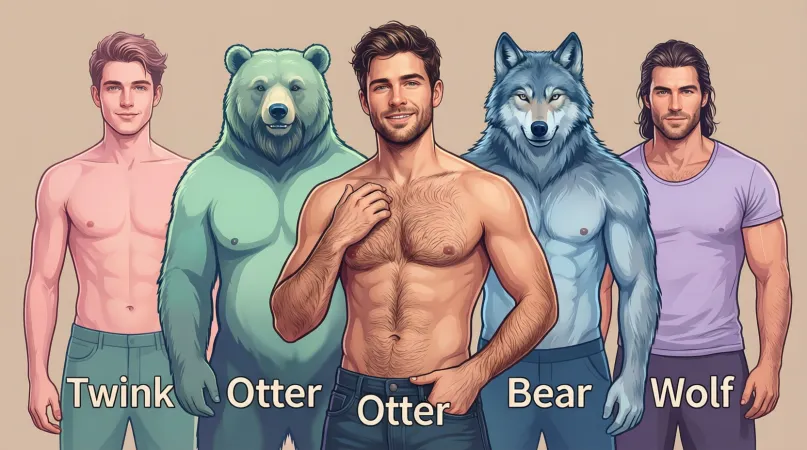
In gay slang, an otter is a man usually gay or bisexual who has a lean, slim, or average build with noticeable body hair, especially chest, arm, or leg hair. Otters sit between “twinks” (slim and hairless) and “bears” (larger and very hairy) in LGBTQ+ body-type culture.
If you’ve seen the word otter on dating apps, social media, or in LGBTQ+ conversations and wondered what it actually means or whether it’s a compliment, label, or stereotype you’re not alone. This guide breaks it all down clearly, respectfully, and with real-world context.
Why the Term “Otter” Matters in LGBTQ+ Culture
Language inside LGBTQ+ communities often develops as a way to:
- Describe attraction preferences
- Build identity and belonging
- Communicate quickly on dating apps
- Celebrate diverse body types
“Otter” is one of several animal-inspired terms used to describe male body types—not personality, gender identity, or sexual role.
Origin of the Term “Otter” in Gay Slang
Where Did It Come From?
The term otter emerged in gay communities in the late 1990s and early 2000s, particularly in:
- Urban LGBTQ+ scenes
- Online forums and chat rooms
- Early gay dating websites
It evolved as a sub-category of “bear culture.”
Why an Animal Name?
Animal labels became popular because they:
- Are visual and easy to imagine
- Avoid medical or judgmental language
- Feel playful and community-driven
Just as real otters are:
- Sleek
- Lean
- Furry but not bulky
…the term mirrored a similar body aesthetic in men.
What an “Otter” Typically Looks Like
While no label fits everyone perfectly, an otter is commonly described as:
Physical Traits
- Slim, lean, or average build
- Noticeable body hair (chest, arms, legs)
- Less muscular than a jock
- Smaller or slimmer than a bear
Style & Vibe (Common, Not Required)
- Casual, relaxed appearance
- Natural masculinity
- Low-maintenance grooming
⚠️ Important: Being an otter is not a requirement, identity, or fixed category. It’s a descriptive term—not a rulebook.
Otter vs. Other Gay Body-Type Terms
Labeled Comparison Table
| Term | Body Type | Body Hair | Overall Build |
|---|---|---|---|
| Twink | Slim | Little to none | Youthful, hairless |
| Otter | Slim / Average | Moderate to heavy | Lean & hairy |
| Wolf | Average / Athletic | Heavy | Hairy & masculine |
| Bear | Stocky / Large | Heavy | Big & hairy |
| Cub | Smaller bear | Heavy | Shorter or younger bear |
| Jock | Muscular | Varies | Athletic |
👉 Otters often sit right between twinks and bears.
How “Otter” Is Used in Real Life
1. Dating Apps
You’ll often see:
- “Otter here 🦦”
- “Into otters and bears”
- “Hairy otter type”
This helps users signal appearance and preferences quickly.
2. LGBTQ+ Social Media
On platforms like Twitter, Instagram, or Reddit:
- #ottergay
- #otterpride
- #hairyguys
3. Casual Conversation
Among friends:
- “He’s more of an otter than a twink.”
- “I’m into otter types lately.”
Tone & Meaning: Is “Otter” Positive or Negative?
Mostly Positive or Neutral ✅
In most cases, otter is a compliment, implying:
- Natural attractiveness
- Masculine appeal
- Confidence without bulk
Rarely Negative ⚠️
It can feel dismissive only if:
- Used to stereotype someone
- Applied without consent
- Used to exclude others
As with any label, context and tone matter.
Examples of “Otter” Used in Context
Friendly Tone
“He’s such an otter—cute, lean, and hairy 😍”
Neutral Tone
“I usually date otters or wolves.”
Playful Tone
“Guess I’ve entered my otter era 🦦✨”
Potentially Dismissive (Avoid)
“He’s just an otter, not my type.”
💡 Tip: If you’re unsure, ask how someone feels about labels.
Is “Otter” a Sexual Role?
No.
“Otter” describes physical appearance, not:
- Top or bottom roles
- Sexual preferences
- Gender expression
Someone can be:
- An otter top
- An otter bottom
- Versatile
- Asexual
There’s no connection unless someone chooses to associate it personally.
Popularity of the Term Today
Still Common—Especially Online
“Otter” remains popular on:
- Grindr
- Scruff
- Tinder (LGBTQ+ spaces)
- Reddit gay communities
It’s especially common among men who:
- Don’t identify as bears
- Don’t fit the twink stereotype
- Want a relaxed, natural descriptor
Alternate Meanings of “Otter”
Outside LGBTQ+ contexts, otter simply means:
- A semi-aquatic mammal 🦦
- A playful, intelligent animal
There’s no connection unless the context is clearly gay slang or LGBTQ+ discussion.
Polite or Professional Alternatives to “Otter”
If you’re writing formally or prefer neutral language, consider:
Professional Alternatives
- “Lean, hairy build”
- “Naturally hairy physique”
- “Slim with body hair”
Dating Profile-Friendly Options
- “Slim & hairy”
- “Naturally fuzzy”
- “Average build, body hair”
These avoid slang while keeping the meaning clear.
Usage Tips: How to Use “Otter” Respectfully
✔️ Do:
- Use it as a self-description
- Ask before labeling someone
- Treat it as descriptive, not limiting
❌ Avoid:
- Forcing labels on others
- Using it to rank attractiveness
- Assuming personality traits
Conclusion
In gay terms, “otter” is a friendly, widely accepted slang word used to describe a man with a lean or average build and visible body hair. It fills the space between twink and bear, offering a way to acknowledge and appreciate a natural, understated kind of masculinity that doesn’t rely on extremes.
The term is most commonly used in dating apps, LGBTQ+ social spaces, and casual conversation, where it helps people describe themselves or their preferences quickly and comfortably. While labels like “otter” can be useful, they’re not rules just descriptors. How someone identifies, or whether they choose to use labels at all, is always personal.
FAQs
What does otter mean in gay dating apps?
It describes a slim or average-built man with body hair, helping users quickly understand appearance.
Is otter a compliment?
Yes, in most contexts it’s positive or neutral, often signaling attractiveness.
Can straight men be called otters?
Technically yes in appearance, but the term is mainly used within gay culture.
Is otter the same as bear?
No. Otters are leaner and smaller than bears.
Is otter a body-shaming term?
No by default. It’s descriptive, not insulting context matters.
Can someone identify as both a twink and an otter?
Usually no, since body hair is the key difference but identities can be fluid.
Is otter a sexual preference?
No. It’s a body-type label, not a sexual orientation or role.
Is the term otter outdated?
No. It’s still widely used, especially online and in dating spaces.

Madison Lee is a skilled writer at ValneTix.com dedicated to making word meanings clear, relatable and actionable. She empowers readers to understand language deeply and use words with confidence in daily life.