Last Updated on February 19, 2026
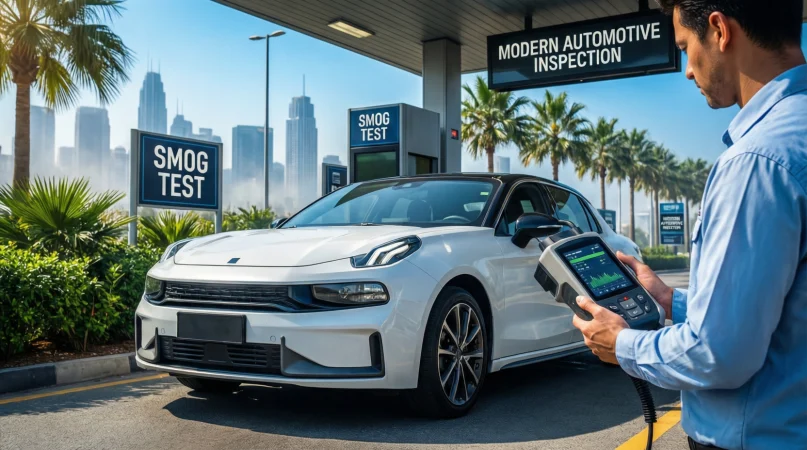
SMOG in driving refers to a vehicle emissions test that checks the amount of pollutants, such as carbon monoxide and hydrocarbons, released by a car. It ensures vehicles meet environmental standards to reduce air pollution and promote cleaner driving.
If you’ve ever bought a car or renewed your vehicle registration, you may have encountered the term “SMOG”. It’s not just a weather condition or a hazy city skyline in driving, SMOG has a very specific and important meaning. Understanding it can save you time, money, and even prevent fines or registration issues.
In this comprehensive guide, we’ll break down what SMOG means in driving, its origin, how it’s used today, and practical tips for drivers. By the end, you’ll feel confident navigating SMOG tests and keeping your vehicle environmentally compliant.
What SMOG Means in Driving
SMOG Test:
- Definition: A SMOG test is an inspection designed to measure the level of harmful emissions a vehicle produces.
- Purpose: To ensure vehicles comply with environmental regulations and reduce air pollution.
- Common Pollutants Checked: Carbon monoxide (CO), hydrocarbons (HC), nitrogen oxides (NOx), and particulate matter.
Key Points About SMOG:
- Required in many states or regions for vehicle registration.
- Usually applies to gasoline-powered vehicles over a certain age.
- A failing SMOG test may require repairs or emissions system upgrades.
Example:
If your car fails a SMOG test due to excessive CO emissions, you may need to repair your catalytic converter before your registration can be renewed.
Origin and Popularity of SMOG Tests
The concept of SMOG testing emerged in response to increasing air pollution in urban areas. Cities like Los Angeles, notorious for smog, were the first to implement emissions testing programs in the 1970s. The word “smog” itself is a blend of smoke + fog, highlighting the visible pollution caused by industrial and vehicle emissions.
How SMOG Became Popular in Driving:
- Environmental Awareness: Governments wanted to curb pollution and improve air quality.
- Vehicle Safety: Emission issues can indicate engine problems that affect performance.
- Regulatory Compliance: Mandatory tests for registration made SMOG testing a common practice for drivers.
Today, SMOG testing is standard in many U.S. states, particularly in areas prone to air pollution.
Real-World Usage of SMOG in Driving
Friendly Example:
“I just got my SMOG check done, and my car passed with flying colors! Now I can renew my registration without worry.”
Neutral Example:
“Most cars over six years old need a SMOG inspection to comply with state regulations.”
Negative/Dismissive Example:
“Ugh, another SMOG test. My car always barely passes, and it’s such a hassle.”
SMOG Test Process:
- Preparation: Ensure your car is well-maintained, tires inflated, and engine warm.
- Inspection: Technician measures emissions using specialized equipment.
- Results: Pass or fail; if failed, repairs may be necessary.
| Step | Description | Tip |
| 1 | Vehicle Preparation | Check engine light off, tire pressure correct |
| 2 | Emissions Measurement | Technician connects testing device to exhaust |
| 3 | Result Evaluation | Pass = registration allowed, Fail = repair needed |
SMOG vs. Other Vehicle Terms
Sometimes drivers confuse SMOG with other terms. Here’s a quick comparison:
| Term | Meaning | Difference from SMOG |
| Emissions Test | General check of vehicle pollutants | SMOG is a type of emissions test specifically named in some states |
| Inspection | Safety and emissions combined | SMOG focuses only on pollutants, not brakes or lights |
| Catalytic Converter Check | Component check | Part of SMOG test may involve assessing the catalytic converter |
Tip: Always check your local DMV or transport authority to confirm what type of inspection is required.
Alternate Meanings of SMOG
Although in driving, SMOG specifically refers to emissions, it can also mean:
- Air Pollution: General hazy or polluted atmosphere.
- Acronyms in Other Fields: Some use SMOG for reading difficulty formulas (Simple Measure of Gobbledygook) or other industry-specific acronyms.
Professional alternative wording for clarity:
Instead of saying “my car needs a SMOG,” you can say, “my car requires an emissions inspection.”
Practical Tips for SMOG Testing 🚗
- Regular Maintenance: Keep your engine tuned and replace air filters.
- Check Engine Light: Ensure it’s off before your test.
- Warm Up Engine: Driving 10-15 minutes before the test helps results.
- Use Quality Fuel: Reduces hydrocarbon emissions.
- Timing: Avoid testing immediately after long trips; follow local DMV guidance.
FAQs
1. Do all cars need a SMOG test?
Not all vehicles are required. Typically, gas-powered vehicles older than 4–6 years must undergo testing.
2. How often do I need SMOG testing?
Frequency depends on your state; usually every 1–2 years or upon registration renewal.
3. Can electric vehicles skip SMOG tests?
Yes, electric vehicles do not produce emissions and are generally exempt.
4. What happens if my car fails a SMOG test?
You’ll need repairs, such as catalytic converter replacement or exhaust system repair, before retesting.
5. How much does a SMOG test cost?
Costs vary by location but typically range from $30–$70.
6. Can I pass a SMOG test with a check engine light on?
Usually not. The check engine light indicates potential emission problems.
7. Is SMOG testing mandatory everywhere?
No. Some states or countries do not require emissions testing.
8. Does failing a SMOG test mean my car is unsafe?
Not necessarily for driving safety, but high emissions may indicate engine issues and environmental impact.
Conclusion
- SMOG refers to an emissions test ensuring vehicles meet environmental standards.
- Originated from air pollution concerns, especially in smog-prone cities.
- Required for most gasoline-powered vehicles in many regions.
- Helps reduce air pollution, ensures compliance, and sometimes signals vehicle maintenance needs.
- Following simple maintenance steps can improve your chances of passing.
Pro Tip: Schedule your SMOG test before registration deadlines, maintain your engine, and keep an eye on the check engine light. Cleaner emissions mean a healthier environment and fewer headaches for you!

Ethan Ware is a digital writer and internet culture enthusiast who stays on top of the latest slang, trends and viral phrases. He specializes in making modern language easy to understand for readers of all ages.