
Last Updated on February 19, 2026
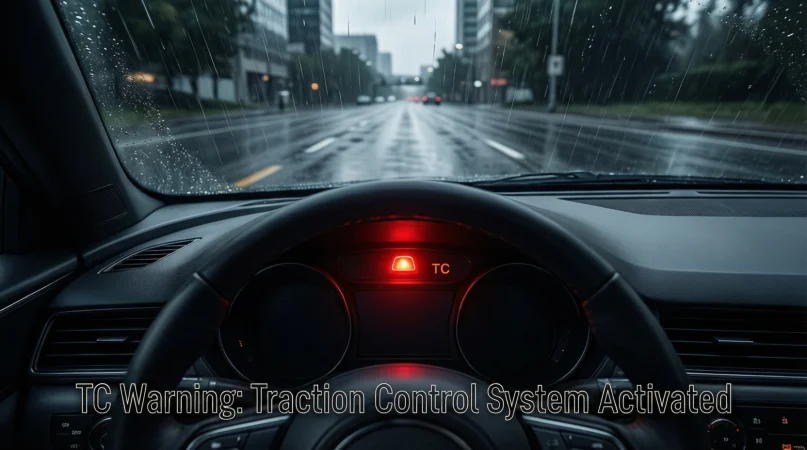
TC in a car stands for Traction Control, a safety feature designed to prevent wheel spin by automatically reducing engine power or applying brakes when your tires lose grip especially on slippery roads like rain, snow, or gravel.
If you’ve ever seen a “TC” light pop up on your dashboard and wondered whether it’s good, bad, or something you should panic about relax. You’re not alone. This small abbreviation plays a big role in vehicle safety, yet it’s one of the most misunderstood car features.
In this in-depth guide, we’ll break down what TC means in a car, how it works, why it matters, when to turn it off, and how it compares to similar systems like ESC and ABS. Whether you’re a new driver, buying a used car, or just curious, you’ll leave with total clarity.
What Does TC Mean in a Car?
TC (Traction Control) is an electronic safety system that helps your car maintain grip on the road by preventing excessive wheel spin during acceleration.
When one or more wheels start slipping:
- The system reduces engine power
- Or applies braking force to the slipping wheel
- Helping the tires regain traction
This all happens automatically usually within milliseconds without any driver input.
Why Traction Control Matters
Traction control isn’t just a “nice-to-have” feature. It’s a core safety system, especially in modern vehicles.
TC Helps With:
- Wet or rainy roads
- Snow and icy conditions
- Gravel or loose surfaces
- Sudden acceleration
- Sharp turns or curves
Without TC, your wheels can spin freely, causing:
- Loss of control
- Skidding
- Longer stopping distances
- Increased accident risk
The Origin and Popularity of Traction Control
Where Did TC Come From?
Traction Control systems became popular in the late 1980s and early 1990s, initially in luxury and performance vehicles.
Why It Became Standard
As electronics improved, automakers realized TC:
- Reduced accidents
- Improved handling
- Made driving safer for everyday drivers
Today, TC is standard in most modern cars, SUVs, and trucks worldwide.
How Traction Control Works (Simple Explanation)
Traction control relies on wheel speed sensors, the same ones used by ABS.
Step-by-Step:
- Sensors detect wheel speed differences
- One wheel spins faster than others
- TC system identifies loss of traction
- Engine power is reduced OR brakes are applied
- Wheel regains grip
All of this happens automatically, often without you even noticing.
What the TC Light Means on Your Dashboard
You’ll usually see:
- “TC”
- “TC OFF”
- A car with squiggly skid lines
Common Meanings:
| Dashboard Light | Meaning |
| TC blinking | System actively preventing wheel slip |
| TC solid | System is turned off |
| TC warning light | Possible system malfunction |
💡 Tip: A blinking TC light during rain or snow is usually a good sign—it means the system is working.
When Should You Turn TC Off?
Most of the time, you should leave TC ON. However, there are a few exceptions.
Turn TC Off When:
- Stuck in deep snow or mud
- Driving on sand
- Rocking the car to get unstuck
Turning TC off allows wheels to spin freely, which can help regain momentum in these situations.
⚠️ Always turn it back ON once moving normally.
TC vs Similar Car Systems
Many drivers confuse TC with other safety features. Here’s a clear breakdown:
Traction Control vs Related Systems
| System | Full Name | Purpose |
| TC | Traction Control | Prevents wheel spin |
| ABS | Anti-lock Braking System | Prevents wheel lock during braking |
| ESC / ESP | Electronic Stability Control | Prevents skidding & loss of control |
| TCS | Traction Control System | Same as TC |
👉 Key takeaway:
- TC helps during acceleration
- ABS helps during braking
- ESC helps during cornering
They often work together as part of a vehicle’s safety network.
Is TC the Same as TCS?
Yes—in most cases.
TC and TCS (Traction Control System) mean the same thing, just labeled differently depending on the manufacturer.
Examples:
- Toyota: TRAC or TCS
- Honda: TCS
- BMW: DTC (Dynamic Traction Control)
Real-World Driving Examples
Friendly Example
“It was raining, and my TC light flashed when I accelerated—but the car stayed steady.”
Neutral Example
“The TC system activated briefly while driving on a wet road.”
Negative / Dismissive Example
“I turned off TC and spun the tires—bad idea on ice.”
These examples show TC in action without drama or confusion.
Does Traction Control Improve Fuel Efficiency?
Not directly, but it helps indirectly by:
- Reducing tire wear
- Preventing unnecessary wheel spin
- Promoting smoother acceleration
So while TC isn’t a fuel-saving feature, it can support efficient driving habits.
Alternate Meanings of “TC”
While TC in a car usually means Traction Control, the abbreviation can have other meanings in different contexts:
| Context | Meaning |
| Texting | Take Care |
| Medical | Total Cholesterol |
| Finance | Transaction Cost |
🚗 In automotive contexts, TC almost always means Traction Control.
Professional or Polite Alternatives in Writing
If you’re writing manuals, reviews, or professional content, you may see:
- Traction Control System
- Electronic Traction Control
- Wheel Slip Control
These terms sound more formal and are often used in technical documentation.
Common Myths About Traction Control
❌ Myth: TC makes your car slower
✔️ Truth: It only limits power when traction is lost
❌ Myth: TC replaces good tires
✔️ Truth: Tires and TC work together
❌ Myth: You should always turn TC off
✔️ Truth: Keep it ON for normal driving
FAQs
1. What does TC mean in a car dashboard?
TC means Traction Control, a system that prevents wheel spin.
2. Is it safe to drive with the TC light on?
If blinking yes. If solid get it checked.
3. Should TC be on or off while driving?
It should be ON in most driving conditions.
4. What happens if I turn TC off?
You’ll have more wheel spin and less stability.
5. Does TC help in snow?
Yes—TC is especially useful on slippery surfaces.
6. Is TC the same as ABS?
No. TC helps during acceleration; ABS helps during braking.
7. Can TC prevent skidding?
It helps reduce skidding but works best with ESC.
8. Do all cars have traction control?
Most modern cars do, but older models may not.
Conclusion
- TC stands for Traction Control
- It prevents wheel spin and improves safety
- Works automatically using sensors and braking
- Best kept ON for everyday driving
- Complements ABS and ESC systems
- Especially useful in rain, snow, and slippery conditions
Understanding TC helps you drive safer, smarter, and with more confidence no guessing required.

James Colton is a language researcher and content writer who loves exploring the deeper meanings behind everyday words. With a background in linguistics, he breaks down complex terms into simple, clear explanations that anyone can understand.