
Last Updated on February 19, 2026
The letter in a bra size represents the cup size, which indicates the volume of the breast relative to the band size. For example, in a 34B bra, “B” denotes the cup size, which determines how much the bra cup can hold.
Understanding bra sizing can feel confusing at first. While most people quickly recognize numbers like 34, 36, or 38 as the band size, the letters—A, B, C, D, and beyond are equally important, representing your cup size. But what exactly does the letter mean in bra size? How is it calculated? And why does it matter for comfort and support?
This article will break down everything you need to know, from the origins of cup sizing to tips for finding the perfect fit. We’ll also cover related terms, common confusions, and even alternative interpretations.
The Basics: Understanding Bra Sizes
A bra size typically has two components:
- Band Size (Number):
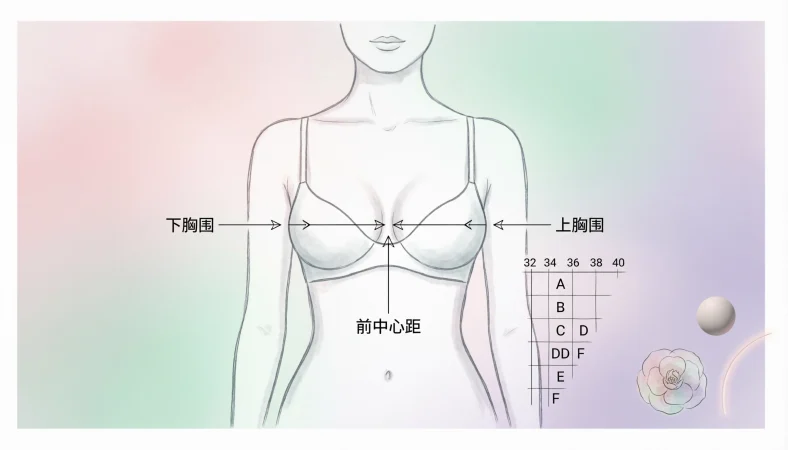
The number (e.g., 34, 36, 38) measures around your ribcage, just under your breasts. This number represents the size of the band that wraps around your torso. - Cup Size (Letter):
The letter (A, B, C, etc.) indicates the volume of your breasts relative to the band size. Each letter represents an increment in cup volume.
Example:
| Bra Size | Band Size | Cup Size | Meaning |
| 34B | 34 inches | B | Medium bust volume on a 34-inch band |
| 36C | 36 inches | C | Slightly larger bust volume on a 36-inch band |
| 32D | 32 inches | D | Fuller bust volume on a 32-inch band |
How Is the Letter in Bra Size Determined?
The cup size is calculated using the difference between your bust measurement (around the fullest part of your breasts) and your band measurement:
Formula:
Cup Size = Bust Measurement – Band Measurement
| Difference (in inches) | Cup Letter |
| 1″ | A |
| 2″ | B |
| 3″ | C |
| 4″ | D |
| 5″ | DD / E |
| 6″ | DDD / F |
💡 Pro Tip: Cup size is relative to band size. A 34C is different from a 36C even though the cup letter is the same the band size changes the overall fit and volume.
Origin of Cup Letters in Bra Sizes
The system of using letters to indicate cup sizes was developed in the early 20th century.
- 1900s: Early bras were unstandardized, relying on generic small, medium, or large sizing.
- 1910s–1930s: European designers introduced the concept of letters to classify cup volume.
- Modern Era: Today, bra letters follow standardized sizing charts, though minor variations exist between brands and countries (US vs UK vs EU sizing).
📌 The letter system became widely popular because it allowed for customization women could now choose a band size and cup volume separately, rather than squeezing into a generic size.
Real-World Usage of Bra Letters
Understanding the letter in your bra size is key for:
- Comfort: The right cup ensures breasts are supported without spilling over or leaving gaps.
- Health: Correct fit prevents back pain, shoulder strain, and skin irritation.
- Fashion: Clothes fit better when your bra provides proper shape and lift.
Example:
- A 34B may work perfectly for one person but be too small for another with the same band size but a slightly larger bust.
- Conversely, wearing a D cup when you need a B cup can cause discomfort and an unflattering silhouette.
Common Confusions and Myths About Bra Letters
- Bigger Letters Always Mean Bigger Breasts:
Not necessarily. A D cup on a 32 band is smaller in volume than a D cup on a 38 band. Cup letters are relative to the band size. - One-Size-Fits-All Doesn’t Exist:
Every brand may interpret cup letters slightly differently. Always check sizing charts. - Letters Can Change Over Time:
Weight fluctuations, pregnancy, breastfeeding, and hormonal changes can affect cup size.
Comparison with Related Terms
| Term | Meaning | Relation to Bra Letter |
| Band Size | Circumference under the bust | Works with cup letter to form full size |
| Full Bust vs Small Bust | Refers to overall volume | Determines cup letter needed |
| Sister Sizes | Alternative bra sizes with similar cup volume | Useful if your regular size is unavailable |
| UK vs US Sizing | Cup letters may differ slightly (e.g., DD in US = E in UK) | Requires conversion for accurate fit |
Alternate Meanings of Letters in Bra Sizes
While the primary use of letters is to indicate cup size, sometimes letters are used in fashion or lingerie collections to indicate style or fit variations:
- P (Petite), L (Large), M (Medium) – less common but seen in certain brands
- Sports Bra Letters – may indicate support level rather than cup volume
Professional or polite alternatives to discussing cup size include:
- Using “bust measurement” instead of cup letter in formal or medical contexts.
- Referring to “support level” for athletic or nursing bras.
Tips for Finding Your Correct Cup Letter
- Measure Yourself Regularly: Bust and band size can change over time.
- Try Different Brands: Fit varies—don’t rely on your old size alone.
- Check for Sister Sizes: If your usual size doesn’t fit, explore one band size up/down with adjusted cup.
- Watch for Spillage or Gaps: The cup letter should prevent breast overflow or empty space.
- Adjust Straps and Bands: Cup size may feel different if the band isn’t snug.
Practical Examples of Bra Letters
| Band Size | Cup Letter | Notes / Fit Tips |
| 34 | A | Small bust, snug fit on 34-inch band |
| 36 | B | Medium bust, ideal for everyday wear |
| 32 | C | Fuller bust on smaller frame |
| 38 | D | Larger bust, requires supportive band |
| 36 | DD / E | Extra volume, often for fuller figures |
| 34 | F | High volume, may need specialty bras |
FAQs
1. What does the letter in bra size represent?
It represents the cup size, showing how much breast volume the bra can hold relative to the band size.
2. How is the cup letter calculated?
By measuring the difference between your bust measurement and band measurement. Each inch difference corresponds to a cup letter (1″ = A, 2″ = B, etc.).
3. Can cup size change over time?
Yes, factors like weight gain/loss, pregnancy, breastfeeding, and aging can alter your cup size.
4. Are cup sizes standardized?
Mostly, but there are slight variations between US, UK, and EU sizing charts. Always check brand-specific sizing.
5. Is a D cup the same for all band sizes?
No. A D cup on a 32 band is smaller in volume than a D cup on a 38 band.
6. What is a sister size?
A sister size is an alternative bra size with the same cup volume but a different band size. Useful if your usual size is unavailable.
7. Can men wear bras with cup letters?
Yes, cup letters apply to anyone with chest/breast volume, though fit may differ.
8. What should I do if my cup letter doesn’t fit?
Try adjusting the band size, or test a sister size. Proper fit ensures comfort and support.
Conclusion
Understanding what the letter means in bra size is essential for finding the perfect fit. Remember:
- The letter indicates cup size, not absolute breast size.
- Cup size is relative to the band size don’t assume bigger letters = bigger breasts overall.
- Measuring your band and bust regularly ensures comfort and support.
- Familiarize yourself with sister sizes, brand variations, and international differences.
- Use polite language when discussing sizes in professional settings.
With the right knowledge, you can confidently choose bras that fit well, feel comfortable, and look great under any outfit. 👙✨

Sophia Lane is a passionate wordsmith and lifestyle writer who covers everything from Spanish phrases to biblical terms. She believes that understanding language helps people connect better with the world around them