
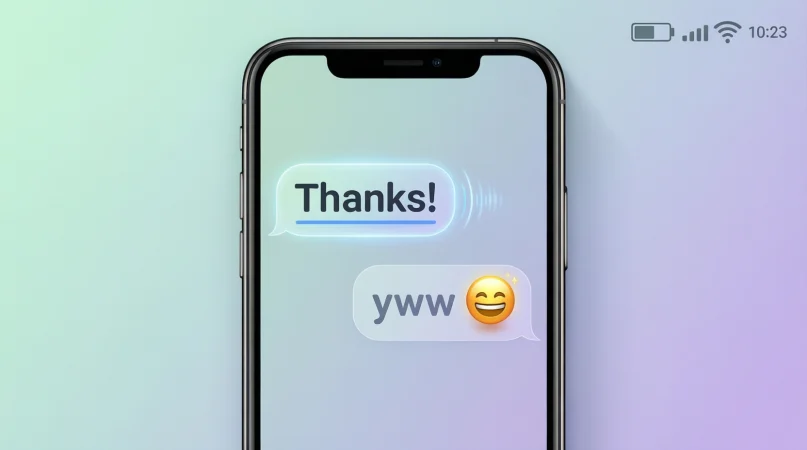
YWW is a text abbreviation that most commonly means “You’re welcome.”
It’s often used as a casual, quick reply after someone says “thank you,” especially in texting, social media, and informal online chats.
YWW is one of those short text abbreviations that looks simple but its meaning can shift depending on tone, context, and relationship. If you’ve seen “yww” in a message and wondered whether it’s polite, casual, or secretly dismissive, you’re not alone.
This guide breaks it all down clearly and conversationally from definition and origin to real-life examples, tone variations, comparisons, and professional alternatives so you’ll always know how to interpret or use YWW correctly.
What Does YWW Mean in Texting and Online Chat?
In everyday digital communication, YWW = “You’re welcome.”
It’s simply a shorter, faster way to acknowledge thanks.
However, like many internet abbreviations, tone matters. Depending on how it’s used and who’s using it yww can feel:
- Friendly and relaxed
- Neutral and efficient
- Slightly cold or dismissive (in rare contexts)
Understanding when and how it’s used is the key.
Origin of YWW
Where Did “YWW” Come From?
YWW emerged naturally from internet shorthand culture, where people shorten common phrases to save time and effort. It follows the same pattern as:
- YW → You’re welcome
- TY → Thank you
- NP → No problem
Adding the extra W (“You’re Welcome” → Y-W-W) makes it visually clearer and avoids confusion with other abbreviations.
When Did It Become Popular?
- Early 2010s: Seen in forums, SMS texting, and early social media
- Mid-to-late 2010s: Widely adopted in WhatsApp, Instagram DMs, Snapchat, and Discord
- Today: Still common, especially among younger users and casual conversations
How Is YWW Used in Real Life?
YWW is typically used after someone expresses gratitude. It works best in relaxed, informal conversations where speed and friendliness matter more than formality.
Common Places You’ll See YWW
- Text messages
- WhatsApp or Messenger chats
- Instagram or TikTok comments
- Gaming chats
- Casual workplace Slack messages (team chats, not formal emails)
Tone Matters: Is YWW Polite or Rude?
On its own, YWW is not rude. But tone depends on context, punctuation, and relationship.
Factors That Affect Tone
- Capitalization (YWW vs yww)
- Emojis 😊 😄
- Conversation flow
- Relationship between sender and receiver
YWW Examples With Context
Friendly / Warm Tone ✅
These feel polite, relaxed, and positive.
- Friend: “Thanks for helping me out!”
You: “yww 😊” - Colleague: “Appreciate the quick reply.”
You: “YWW! Glad it helped.” - Online comment: “Thanks for the tip!”
Reply: “yww 👍”
👉 Emojis and exclamation marks soften the tone and add warmth.
Neutral / Casual Tone 😐
These are efficient and emotionally neutral.
- “Thanks!” → “yww”
- “Appreciate it” → “YWW”
👉 Perfectly fine for quick chats, but can feel a bit dry if overused.
Cold or Dismissive Tone ⚠️ (Rare)
This usually happens only when context is tense.
- “Thanks… I guess.” → “yww.”
- Argument context → short, lowercase “yww” with no warmth
👉 In these cases, it may come across as passive-aggressive—but context is everything.
Labeled Example Table: YWW in Different Situations
| Situation | Example Message | Tone Interpretation |
|---|---|---|
| Friendly chat | “yww 😊” | Warm & polite |
| Fast reply | “YWW” | Neutral |
| Work Slack | “YWW—anytime!” | Professional-casual |
| Argument | “yww.” | Possibly dismissive |
| Social media | “yww 👍” | Friendly & informal |
Is YWW the Same as YW?
Not exactly—though they’re very close.
YWW vs YW Comparison
| Term | Meaning | Tone | Common Usage |
|---|---|---|---|
| YWW | You’re welcome | Casual, friendly | Texting, chats |
| YW | You’re welcome | Very brief, neutral | Fast replies |
| URW | You’re welcome | Less common | Older forums |
| NP | No problem | Casual | Friendly chats |
| Anytime | You’re welcome | Warm | Spoken & text |
👉 YWW feels slightly more expressive than YW, even though both mean the same thing.
Alternate Meanings of YWW Rare
While “You’re welcome” is by far the dominant meaning, YWW can occasionally stand for other phrases—but these are uncommon and context-specific.
Rare or Niche Meanings
- You’re Way Welcome (emphasized friendliness)
- Yeah, Whatever, Whatever (sarcastic—very rare)
- Young Women’s Week (event-based, not texting)
👉 In everyday texting, assume “You’re welcome.”
When Should You Avoid Using YWW?
Even though YWW is harmless in casual settings, it’s not always the best choice.
Avoid YWW In:
- Formal emails
- Professional client communication
- Academic writing
- Customer support replies
- Serious or sensitive conversations
In these cases, a full phrase feels more respectful.
Polite and Professional Alternatives to YWW
If you want to sound more polished, here are better options:
Casual but Polite
- “You’re welcome!”
- “No problem!”
- “Glad I could help 😊”
Professional Alternatives
- “You’re very welcome.”
- “Happy to help.”
- “My pleasure.”
- “Anytime—feel free to reach out.”
How to Use YWW Naturally Tips
- Match the other person’s tone
- Add emojis if warmth is needed
- Avoid using it in serious discussions
- Don’t overuse abbreviations in one chat
- When in doubt, write it out fully
FAQs
What does YWW mean in text messages?
YWW means “You’re welcome.” It’s a casual way to reply after someone thanks you.
Is YWW rude or disrespectful?
No, YWW is not rude by default. Tone depends on context, emojis, and the relationship between speakers.
What’s the difference between YW and YWW?
Both mean “You’re welcome.” YWW is slightly clearer and feels more expressive, while YW is very brief.
Can I use YWW at work?
Only in casual internal chats (like Slack). Avoid it in emails or client-facing communication.
Does YWW ever mean something else?
Rarely. In most cases, it simply means “You’re welcome.”
Is YWW used more by younger people?
Yes. It’s more common among teens and young adults who use texting shorthand regularly.
Should I capitalize YWW?
Capitalization doesn’t change the meaning. Lowercase feels more relaxed; uppercase feels neutral or firm.
What’s a more polite alternative to YWW?
“You’re welcome,” “Happy to help,” or “My pleasure” are more polite and professional options.
Conclusion
YWW is a simple, friendly abbreviation that means “You’re welcome.” It’s best used in casual, informal conversations where speed and tone matter more than formality.
- YWW = You’re welcome
- Tone depends on context
- Emojis soften the message
- Avoid in formal situations
- When unsure, write it out fully
Used thoughtfully, YWW is just another easy way to keep conversations flowing naturally.

Alex Ferguson is a word enthusiast at ValneTix.com who turns the meanings of everyday words into fascinating discoveries. His articles make learning language easy, enjoyable and practical for all readers.