“Moshi moshi (もしもし) is a Japanese phrase commonly used when answering the phone, equivalent to saying ‘Hello’ or ‘Hi’ in English. It is casual yet polite enough for everyday use…
Eunuchs in the Bible are men who were often castrated or chosen to serve in royal courts and sacred spaces, symbolizing loyalty, service, and spiritual devotion. They appear in both…
Quien (pronounced kee-en) is a Spanish word that translates to “who” in English. It is primarily used as a relative or interrogative pronoun to refer to people, asking about identity…
Ritardando (often abbreviated as “rit.”) is a musical term that instructs performers to gradually slow down the tempo of a piece. It’s commonly used to create tension, drama, or a…
The number 14 in the Bible symbolizes spiritual perfection, divine order, and the fulfillment of God’s promises. It often represents periods of deliverance, completion of cycles, and connections to significant…
Prophecy in the Bible refers to a message or revelation from God, delivered through a prophet, that reveals divine will, predicts future events, or calls people to repentance. It is…
ATS (Against the Spread) in betting is a term used to indicate a team's performance relative to the point spread set by oddsmakers. It tells you whether a team has…
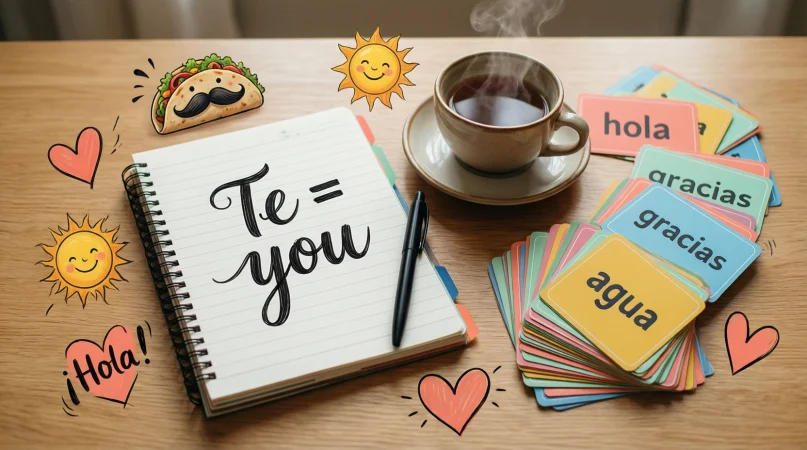
“Te” in Spanish is a pronoun used to refer to the second person singular “you” in informal contexts, functioning as either a direct or indirect object in a sentence. It…
EXW (Ex Works) is an Incoterm in shipping that means the seller fulfills their obligation by making the goods available at their premises, and the buyer takes responsibility for all…
Putain is a French slang word often used as an exclamation equivalent to "damn," "shit," or "wow," depending on context. It can express surprise, anger, frustration, excitement, or admiration, but…