
Last Updated on May 11, 2026
Oni (鬼) is a term in Japanese culture that refers to a type of supernatural demon, ogre, or troll known for its frightening appearance, supernatural strength, and often mischievous or malevolent behavior. Oni are prominent figures in folklore, literature, and popular media in Japan.
Have you ever come across the word “Oni” in anime, Japanese folklore, or cultural references and wondered what it really means? Oni are one of Japan’s most iconic mythical creatures, appearing in stories, festivals, and even modern pop culture. These fascinating beings are more than just scary monsters; they hold cultural, historical, and symbolic significance that continues to resonate today.
In this article, we’ll explore the origins, meanings, real world usage, and cultural relevance of the term “Oni.” By the end, you’ll have a full understanding of this intriguing word, along with examples, comparisons, and practical insights.
The Origin of Oni
The concept of Oni has deep roots in Japanese folklore, influenced by ancient Buddhist, Shinto, and regional traditions.
- Historical Roots: Oni are believed to have originated from Chinese demons or spirits, brought to Japan through Buddhism. They were often depicted as malevolent beings punishing the wicked in the afterlife.
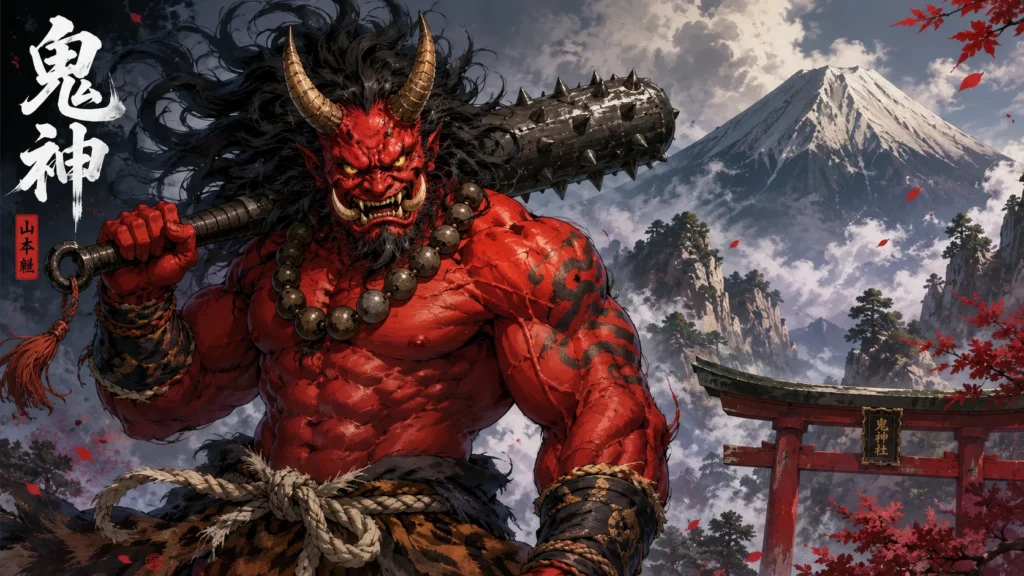
- Visual Representation: Traditionally, Oni are depicted as large, fearsome creatures with red or blue skin, horns, sharp teeth, and wild hair. They usually carry iron clubs (kanabo), symbolizing their immense strength.
- Folklore Role: Oni often serve as antagonists in stories, punishing evil humans or causing mischief. They appear in legends, theater (Noh and Kabuki), and folktales.
Fun Fact:
In some regions, Oni are not purely evil. Certain local legends describe Oni as protectors or guardians, showing the duality of their role in Japanese culture.
Popularity and Cultural Significance
Oni have remained popular for centuries due to their symbolic, entertainment, and cultural roles.
Festivals and Traditions
- Setsubun Festival: One of the most famous uses of Oni is during Setsubun, a festival where people throw roasted soybeans outside their homes while shouting “Oni wa soto! Fuku wa uchi!” (Demons out! Luck in!) to drive away evil spirits.
- Masks and Decorations: Oni masks are commonly worn during traditional dances and festivals, symbolizing the exorcism of bad luck or evil spirits.
Modern Media
Oni have appeared extensively in:
- Anime & Manga: Shows like “Demon Slayer” feature Oni inspired demons.
- Video Games: Many Japanese games use Oni as powerful enemies or bosses.
- Pop Culture References: Oni imagery appears in art, merchandise, tattoos, and even fashion, keeping the concept alive in contemporary contexts.
Symbolism
Oni represent strength, danger, and sometimes moral lessons. They remind people of consequences, fear, or protection depending on the story.
Real World Usage of “Oni”
While the primary meaning of Oni is mythical, the term has real world applications, including slang and figurative speech.
Figurative Use
- Describing Someone Fierce or Overpowering:
- Example: 彼は勉強の鬼だ (Kare wa benkyō no oni da) – “He’s a study demon!” (means he’s extremely dedicated to studying)
- In this sense, Oni conveys intensity or extraordinary ability.
Negative Connotation
- Oni can be used to describe someone cruel or relentless.
- Example: あの上司は鬼だ (Ano jōshi wa oni da) – “That boss is a demon!” (means very strict or harsh)
Friendly or Playful Tone
- Sometimes, Oni is used in playful teasing, especially in gaming or anime communities.
- Example: 彼女はゲームの鬼です! (Kanojo wa gēmu no oni desu!) – “She’s a game demon!” (means she’s very skilled at gaming)
| Tone | Example | Meaning |
| Friendly/Playful | 勉強の鬼 | Extremely dedicated or skilled |
| Neutral | 伝説の鬼 | Legendary demon in folklore |
| Negative | あの上司は鬼だ | Strict or harsh person |
Comparison with Related Terms
Understanding Oni often requires looking at similar or related Japanese terms.
| Term | Meaning | Notes |
| Yōkai (妖怪) | General term for supernatural creatures | Oni are a type of Yōkai but more specific to demons/ogres |
| Tengu (天狗) | Supernatural bird like creature | More associated with mountains, tricksters, or martial arts |
| Oniisan (お兄さん) | Older brother or polite form | Unrelated, just a phonetic similarity |
Key Insight:
- All Oni are Yōkai, but not all Yōkai are Oni. Oni specifically represents demonic or ogre like characteristics.
Alternate Meanings
While Oni primarily refers to a demon or ogre, it also has some metaphorical or playful usages in modern Japanese:
- Exceptional skill or intensity – used in a positive sense in contexts like sports, studying, or gaming.
- Exaggeration of character traits – e.g., calling someone a “work demon” to highlight their dedication.
Polite alternatives exist for describing someone strict or intense without using the word Oni directly, such as:
- 厳しい人 (Kibishii hito) – Strict person
- 熱心な人 (Nesshin na hito) – Dedicated person
Examples of Oni in Sentences
Here’s how Oni can appear in different contexts:
| Context | Japanese | English Translation |
| Friendly/Playful | 彼は料理の鬼です | He’s a cooking demon! (very skilled) |
| Neutral/Folklore | 昔々、鬼が山に住んでいました | Once upon a time, a demon lived in the mountains |
| Negative | 彼女の上司は鬼です | Her boss is a demon (very strict) |
| Cultural Event | 鬼は外、福は内 | Demons out, luck in (Setsubun saying) |
Tips for Using Oni Correctly
- Know the Tone: Oni can be friendly, neutral, or negative. Context matters.
- Cultural Sensitivity: Using Oni to describe someone as a “demon” should be playful or figurative, not insulting.
- Understand Visual References: Red or blue skin, horns, and kanabo clubs are traditional representations.
- Combine with Other Words: Oni can be combined with skills (e.g., 勉強の鬼, gaming no oni) to convey mastery.
FAQs
1. What is the literal translation of Oni?
- Oni literally translates to “demon,” “ogre,” or “troll” depending on context.
2. Are Oni always evil in Japanese folklore?
- Not always. While they are often malevolent, some legends portray Oni as protective or neutral.
3. How are Oni depicted in Japanese art?
- Typically with red or blue skin, horns, fangs, wild hair, and wielding clubs.
4. Can Oni refer to real people?
- Yes, figuratively to describe someone extremely strict, skilled, or intense.
5. What is the difference between Oni and Yōkai?
- Yōkai is a general term for supernatural creatures; Oni are a specific type of demon within that category.
6. How is Oni used in festivals?
- During Setsubun, people wear Oni masks and throw beans to drive away evil spirits.
7. Are there friendly Oni?
- Some stories describe Oni with positive traits or as guardians, highlighting dual aspects of their nature.
8. Is Oni a common term in modern Japanese pop culture?
- Absolutely! Oni appear in anime, manga, games, fashion, and even casual slang.
Conclusion
The term Oni embodies centuries of Japanese tradition, folklore, and cultural imagination. From frightening demons in myths to playful descriptors of someone skilled or intense, Oni are versatile and deeply symbolic. Understanding Oni allows you to appreciate Japanese stories, festivals, and modern media on a richer level.
Practical Tips:
- Use Oni figuratively to describe someone’s exceptional skill.
- Explore Japanese festivals like Setsubun to see Oni in action.
- When in doubt, remember context is key: Oni can be scary, funny, or even admirable!
Oni are more than just monsters—they’re a window into Japan’s history, values, and creativity.

Ethan Ware is a digital writer and internet culture enthusiast who stays on top of the latest slang, trends and viral phrases. He specializes in making modern language easy to understand for readers of all ages.