Last Updated on April 26, 2026
Vader in German is a common term meaning “father”. It is a respectful and neutral word used in everyday conversation, literature, and cultural contexts to refer to one’s dad or a paternal figure.
If you’ve ever watched a German movie, read a German book, or played Star Wars in German, you may have come across the word “Vader.” But what does it really mean? 🤔 Is it related to the iconic Darth Vader, or does it have a simple, everyday meaning in German? In this article, we’ll explore the meaning, usage, and origins of Vader, provide context with examples, compare it to similar words, and answer your most frequently asked questions.
By the end, you’ll understand not just the literal meaning, but also how it fits into everyday German language and culture.
The Meaning of Vader in German
At its core, Vader simply means father in German. It is equivalent to saying dad or dadmy in English, though the tone can vary based on context.
| German Term | English Translation | Tone/Usage |
| Vater | Father | Neutral/formal |
| Papa | Dad | Informal/friendly |
| Papi | Daddy | Informal/affectionate |
| Vader | Father | Neutral, sometimes literary or old-fashioned |
Key Takeaway: While Vater is the standard German for father, Vader is mostly recognized in specific cultural or dialectical contexts and can occasionally appear in older or poetic forms of German.
Origin of the Word Vader
The term Vater comes from the Old High German word fater, which in turn originates from the Proto-Germanic root fadar. Over time, regional dialects and influences slightly altered the pronunciation and spelling, giving rise to variations like Vader in some contexts.
- Old High German: fater
- Middle High German: vater
- Modern Standard German: Vater (pronounced: ‘FAH-ter’)
- Dutch/Flemish Influence: Vader (pronounced: ‘VAH-der’)
Interestingly, the spelling Vader is more commonly seen in Dutch, where it literally means father, and this is the form used in the famous Star Wars character Darth Vader. Some German speakers recognize Vader through pop culture, which slightly changes its perception.
Popularity and Cultural Influence
In German-speaking countries:
- Vater is the most widely used term in formal, casual, and official contexts.
- Papa and Papi are popular for casual conversation with children or family members.
- Vader is rarely used in contemporary German except in literary, poetic, or humorous contexts.
Pop Culture Note:
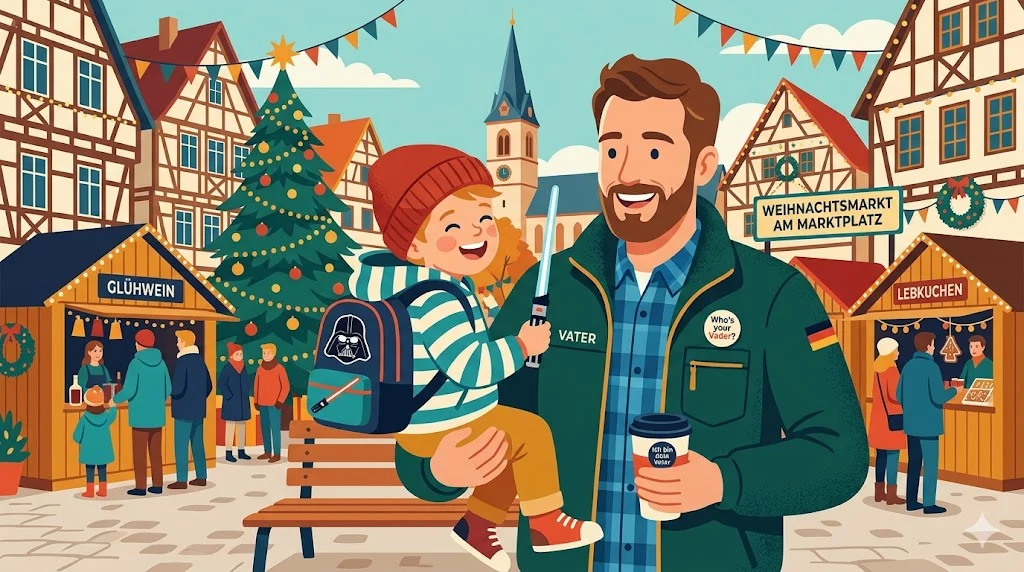
The word Vader gained international recognition through Darth Vader, the villain of the Star Wars franchise. In German, this cultural reference often overshadows the word’s literal meaning, giving it a darker or more ominous tone in casual conversation. 😎
Usage Examples in German
Here’s how Vader and related terms might appear in sentences. Note the tone of each usage:
Neutral/Respectful Tone
- Mein Vader ist sehr freundlich.
- My father is very friendly.
- Vader, kannst du mir helfen?
- Father, can you help me?
Informal/Friendly Tone
- Papa, ich habe Hunger! 🍽️
- Dad, I’m hungry!
- Papi, erzähl mir eine Geschichte.
- Daddy, tell me a story.
Pop Culture / Fun Tone
- Darth Vader ist der böse Lord in Star Wars.
- Darth Vader is the evil lord in Star Wars.
- Mein Bruder nennt sich selbst Darth Vader 😅
- My brother calls himself Darth Vader 😅
Tip: In German, context matters. If you say Vader outside of Dutch or literary influence, some listeners might think you’re referencing Star Wars rather than speaking literally about your father.
Comparison With Similar Terms
| Term | Language/Context | Meaning/Usage |
| Vater | German | Standard term for father; neutral, widely used |
| Papa | German | Informal; used by children/family |
| Papi | German | Very informal; affectionate, sometimes playful |
| Vader | German/Dutch | Rare in German, common in Dutch; also known from pop culture |
| Father | English | Standard term for dad; neutral |
| Dad | English | Informal; friendly |
Pro Tip: When learning German, Vater is your safe default. Reserve Vader for literary, historical, or playful pop culture contexts.
Alternate Meanings
While Vader primarily means father, there are a few alternate interpretations:
- Pop Culture / Fictional Characters:
- Darth Vader is the most famous. Here, Vader carries a connotation of authority or menace.
- Dialect / Regional Variations:
- Some German dialects might pronounce Vater closer to Vader, but this is rare.
- Surname:
- Vader can also appear as a family name in Dutch or other European contexts.
Polite or Professional Alternatives
If you want to refer to a father in professional, respectful, or formal settings:
- Vater – standard formal
- der Vater von [Name] – the father of [Name]
- Avoid Papa or Papi in formal writing or professional contexts
Example:
- Der Vater des Schülers sprach mit dem Lehrer.
- The father of the student spoke with the teacher.
Practical Tips for Using Vader Correctly
- Know your audience: Use Vater for formal or neutral conversation. Papa for family or informal chats.
- Context matters: In pop culture, Vader often evokes Darth Vader imagery. Be aware of the humorous or dramatic undertone.
- Pronunciation: In German, Vater is pronounced ‘FAH-ter’. If using Vader, the Dutch-influenced pronunciation is ‘VAH-der’.
- Writing vs. Speaking: In written German, Vater is standard. Vader might appear in poetry, literature, or playful text.
FAQs
1. What does Vader mean in German slang?
- Generally, Vader is not slang in German. However, due to Star Wars, some may use it playfully to refer to a strict or authoritative father.
2. Is Vader used in modern German conversation?
- Rarely. Most people use Vater, Papa, or Papi. Vader is mostly literary, poetic, or pop-culture influenced.
3. How is Vader pronounced in German?
- Typically ‘VAH-der’, similar to Dutch pronunciation.
4. What is the difference between Vater and Vader?
- Vater is standard German for father. Vader is less common, sometimes literary, or recognized via Dutch influence or pop culture.
5. Can I call my father Vader in German?
- You can, but people might find it playful, humorous, or reference Star Wars unintentionally.
6. Is Vader a Dutch word too?
- Yes! In Dutch, vader literally means father and is widely used.
7. Why does Darth Vader sound German?
- George Lucas named him for the Dutch/German-sounding word Vader, meaning father, to emphasize the “father figure” connection in the storyline.
8. Are there other words similar to Vader for father?
- Yes: Vater (German), Papa (informal), Papi (affectionate), dad (English), Abba (biblical/hebrew).
Example Table of Usage
| Word | Sentence in German | English Translation | Tone |
| Vater | Mein Vater arbeitet in Berlin. | My father works in Berlin. | Neutral/Formal |
| Papa | Papa, komm spielen! | Dad, come play! | Informal/Friendly |
| Papi | Papi, ich liebe dich! ❤️ | Daddy, I love you! | Affectionate |
| Vader | Mein Vader war ein strenger Mann. | My father was a strict man. | Literary/Old-fashioned |
| Vader | Darth Vader ist furchterregend. | Darth Vader is terrifying. | Pop Culture/Fun |
Conclusion
To sum up:
- Vader in German means father, but it’s rare in modern German outside of literature, poetry, or Dutch influence.
- Vater is your standard, safe term for any formal, neutral, or everyday usage.
- Pop culture (Darth Vader) has given the word a playful, dark, or humorous twist.
- Papa and Papi remain the most common informal, friendly alternatives.
Practical Tip: Stick with Vater unless you’re intentionally referencing Dutch language, literature, or Star Wars. Always consider tone, audience, and context. 😄
By understanding these nuances, you’ll sound both fluent and culturally aware in German conversations!

James Colton is a language researcher and content writer who loves exploring the deeper meanings behind everyday words. With a background in linguistics, he breaks down complex terms into simple, clear explanations that anyone can understand.