Last Updated on May 16, 2026
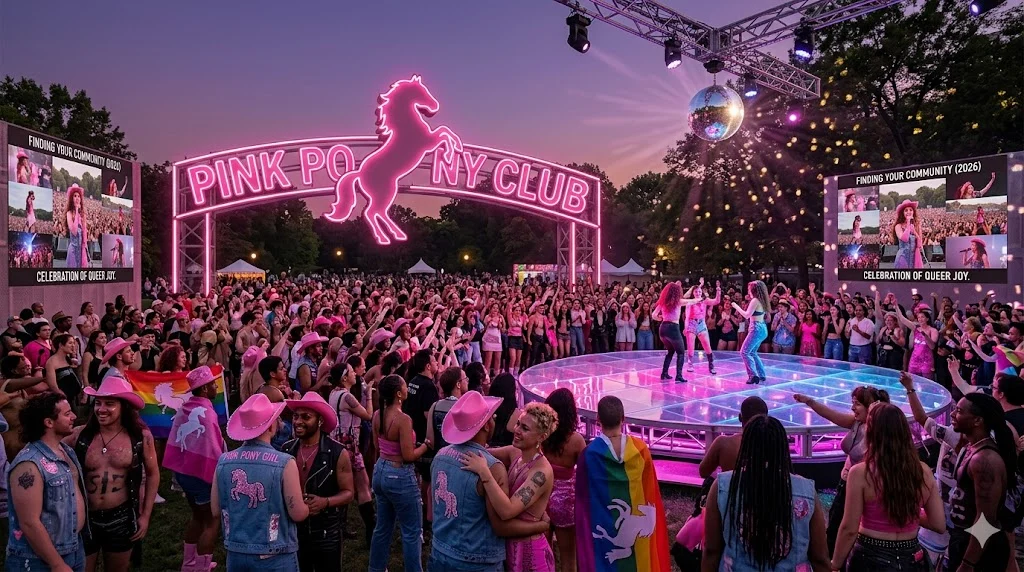
“Pink Pony Club” is a metaphorical and emotional concept made famous by Chappell Roan in her 2020 song of the same name. It symbolizes a place where people can freely express their identity, escape judgment, pursue dreams, and embrace individuality, especially within queer nightlife and performance culture.
The phrase “Pink Pony Club” refers to a symbolic place of freedom, self-expression, identity, and emotional escape, popularized by the song “Pink Pony Club” by Chappell Roan. In the song, it represents leaving behind expectations and embracing authenticity, nightlife, queerness, creativity, and personal liberation.
- “Pink Pony Club” became widely known through the song by Chappell Roan
- The phrase symbolizes freedom, self-discovery, and emotional liberation
- It is strongly connected to LGBTQ+ culture, nightlife, and artistic expression
- Many listeners interpret it as a metaphor for escaping restrictive environments
- The song gained major popularity through social media platforms like TikTok
- The meaning is emotional, cultural, and deeply personal to many fans
The Meaning of “Pink Pony Club” Explained
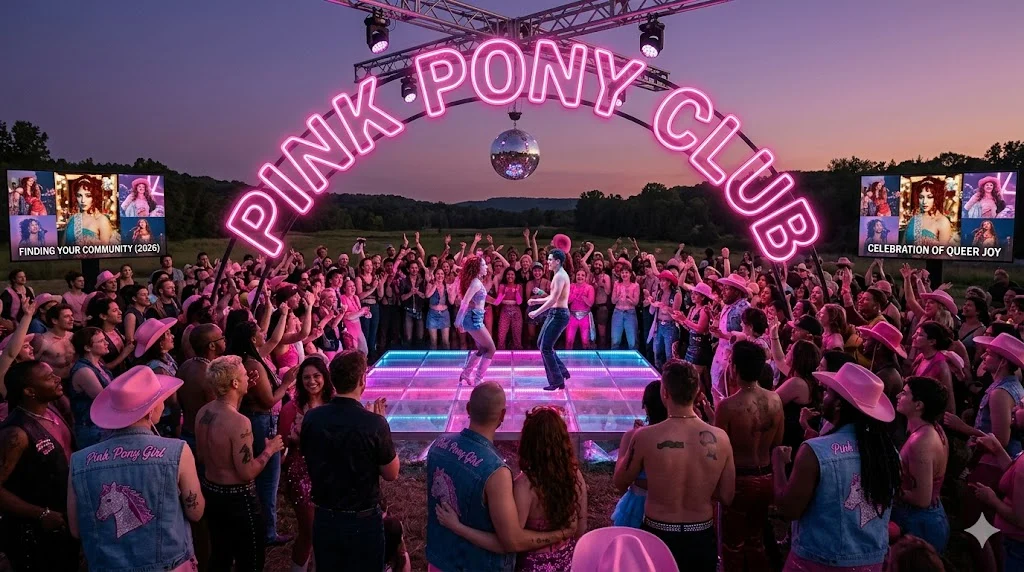
At its core, “Pink Pony Club” means finding a place where you can finally be yourself.
The phrase does not refer to just a literal club. Instead, it acts as a symbolic destination a space where people feel accepted, expressive, confident, and free from judgment.
In the song, the narrator leaves a conservative or limiting environment and discovers a glamorous nightlife scene filled with music, dancing, performance, and emotional freedom. That transformation becomes the emotional heart of the phrase.
For many listeners, “Pink Pony Club” represents:
- Personal freedom
- Self-acceptance
- Queer identity
- Chasing dreams
- Escaping social pressure
- Reinvention
- Emotional healing through community
The reason the phrase resonates so strongly is because many people relate to the idea of wanting a place where they truly belong.
The Origin of Pink Pony Club
The phrase became popular after the release of the song “Pink Pony Club” by Chappell Roan.


6
Released in 2020, the song tells the story of someone who moves to a new city and becomes emotionally transformed after experiencing a vibrant club scene.
The inspiration reportedly came from visiting iconic queer nightlife spaces in places like Los Angeles, where performance, dance, drag culture, and acceptance created a feeling of liberation.
The title combines several symbolic elements:
| Word | Symbolic Meaning |
|---|---|
| Pink | Creativity, femininity, flamboyance, emotional openness |
| Pony | Playfulness, fantasy, freedom, performance |
| Club | Community, nightlife, belonging, escape |
Together, the phrase creates an image of a dreamlike safe space where identity can flourish without fear.
Why the Song Became So Popular
The popularity of “Pink Pony Club” exploded because it connected emotionally with listeners across different backgrounds.
Reasons People Connected With It
1. Emotional Authenticity
The lyrics feel deeply personal and honest. Many listeners relate to leaving behind expectations to pursue a more authentic life.
2. LGBTQ+ Representation
The song became especially meaningful within LGBTQ+ communities because it celebrates queer joy, performance culture, and chosen family.
3. Nostalgic Pop Sound
Its theatrical pop style blends emotional storytelling with energetic music, making it both emotional and uplifting.
4. Viral Social Media Growth
Platforms like TikTok helped introduce the song to wider audiences through edits, performances, makeup videos, and emotional storytelling clips.
5. Universal Theme of Belonging
Even outside queer culture, many people connect with the desire to find a place where they feel understood.
Is Pink Pony Club a Real Place?
One of the most searched questions online is whether the Pink Pony Club exists physically.
The Short Answer
No the “Pink Pony Club” in the song is mainly symbolic and fictional.
However, it draws inspiration from real nightlife spaces, especially queer clubs and performance venues where people experience community and self-expression.
That ambiguity actually strengthens the song’s meaning. It allows listeners to imagine their own version of the Pink Pony Club.
For some people, it represents:
- A real club experience
- A dream city
- Artistic freedom
- Emotional escape
- A supportive community
- Personal transformation
Cultural Significance of Pink Pony Club
The phrase became more than just a song title. It evolved into a cultural symbol.
Connection to LGBTQ+ Culture
The song strongly resonates with LGBTQ+ listeners because it reflects common emotional experiences:
- Leaving unsupportive environments
- Finding chosen family
- Exploring identity
- Feeling safe in nightlife spaces
- Celebrating self-expression
Many fans describe the song as emotionally validating because it captures both fear and liberation.
Connection to Drag and Performance Culture
The glamorous imagery also connects to drag shows, theatrical performance, and artistic nightlife culture.


7
The song celebrates performance not as pretending, but as becoming more authentic through expression.
Internet and Meme Culture
Online communities transformed “Pink Pony Club” into:
- A meme
- A mood
- An identity phrase
- A celebration anthem
- A symbol of emotional freedom
People often use the phrase humorously or emotionally to describe moments of self-discovery.
Lyrics and Symbolism Explained
Although interpretations vary, several lyrical themes repeatedly appear in discussions about the song.
Escaping Expectations
The narrator struggles between external expectations and internal desires.
This tension mirrors real-life experiences where people feel pressured to follow paths that do not align with their true identity.
Reinvention
The Pink Pony Club symbolizes transformation.
The character in the song evolves emotionally after discovering a new environment that allows authentic expression.
Fear and Excitement
One reason the song feels powerful is because it mixes anxiety with hope.
That emotional contrast feels realistic:
- Fear of disappointing others
- Excitement about freedom
- Uncertainty about identity
- Relief after self-acceptance
What Does Pink Pony Club Mean on Social Media?
On social media, the phrase has expanded beyond the song itself.
People now use “Pink Pony Club” to describe:
- Feeling emotionally free
- Entering a confident phase of life
- Embracing creativity
- Discovering personal identity
- Living authentically
- Enjoying nightlife and self-expression
Example phrases include:
“I’m entering my Pink Pony Club era.”
“This outfit feels very Pink Pony Club.”
“Everyone deserves their own Pink Pony Club.”
In these cases, the phrase becomes shorthand for empowerment and liberation.
Pink Pony Club vs Similar Concepts
Many people compare Pink Pony Club to other cultural symbols of freedom and self-expression.
| Concept | Meaning | Main Difference |
|---|---|---|
| Pink Pony Club | Emotional liberation through identity and nightlife | More theatrical and queer-coded |
| Safe Space | Environment free from judgment | Broader social meaning |
| Found Family | Emotional support system | Focuses more on relationships |
| Coming-of-Age Journey | Personal growth and identity | Broader life transition |
| Escapism | Temporary emotional escape | Pink Pony Club emphasizes authentic self-expression |
Common Misconceptions About Pink Pony Club
Misconception 1: It’s Only About Nightclubs
While nightlife imagery is central, the deeper meaning is emotional freedom and identity.
Misconception 2: It Only Applies to LGBTQ+ Audiences
The queer themes are important, but many listeners of all backgrounds connect with the broader themes of belonging and self-discovery.
Misconception 3: It’s Just a Viral TikTok Song
Social media boosted its popularity, but the emotional storytelling and artistic identity are what gave the song lasting cultural impact.
Why People Emotionally Connect With Pink Pony Club
The song succeeds because it reflects a deeply human desire:
to be accepted exactly as you are.
That emotional truth gives the phrase power far beyond music.
Relatable Scenarios
Many people identify with moments like:
- Moving to a new city
- Changing careers
- Exploring identity
- Leaving restrictive environments
- Discovering creative communities
- Finding confidence after insecurity
The Pink Pony Club becomes a metaphor for the place literal or emotional where transformation finally feels possible.
Did You Know?
Fun Facts About Pink Pony Club
- The song became a breakout hit years after its original release due to viral sharing
- Fans often describe it as a “queer anthem”
- The aesthetic inspired fashion trends featuring pink glam, cowboy imagery, and theatrical makeup
- Concert audiences frequently sing the chorus collectively as an emotional moment
Expert Insight: Why Symbolic Songs Become Cultural Phenomena
Music experts often note that symbolic songs become powerful when listeners can personalize them.
“Pink Pony Club” works because it leaves room for interpretation.
Some hear:
- a queer liberation anthem
- a coming-of-age story
- a nightlife fantasy
- an emotional escape narrative
- a celebration of individuality
That flexibility increases emotional attachment and long-term cultural relevance.
Best Practices for Understanding Symbolic Songs
When interpreting songs like “Pink Pony Club,” it helps to:
- Focus on themes rather than literal details
- Consider the artist’s cultural background
- Look at emotional storytelling
- Understand community interpretation
- Recognize that meanings evolve over time
Common Mistakes People Make
Taking Every Lyric Literally
Symbolic songs often use exaggerated imagery to communicate emotions.
Ignoring Cultural Context
The queer nightlife influence is an important part of understanding the song’s impact.
Assuming There Is Only One Meaning
Artistic interpretation is personal. Different listeners may connect with different themes.
The Future Relevance of Pink Pony Club
The phrase is likely to remain culturally relevant because its themes are timeless:
- identity
- freedom
- belonging
- emotional transformation
- self-expression
As conversations around individuality and authenticity continue growing online, symbolic phrases like “Pink Pony Club” gain even more meaning.
Frequently Asked Questions
What is the meaning of Pink Pony Club?
Pink Pony Club symbolizes freedom, self-expression, identity, and emotional liberation. It became popular through the song by Chappell Roan.
Is Pink Pony Club a real nightclub?
No, it is mainly symbolic and fictional, though it was inspired by real queer nightlife spaces and club culture.
Who sings Pink Pony Club?
The song is performed by Chappell Roan.
Why is Pink Pony Club important to LGBTQ+ culture?
The song reflects themes of acceptance, chosen family, identity exploration, and freedom of expression that resonate strongly with many LGBTQ+ listeners.
What genre is Pink Pony Club?
The song blends pop, synth-pop, theatrical pop, and indie-pop influences.
Why did Pink Pony Club go viral?
Its emotional lyrics, theatrical sound, and relatable themes gained traction on TikTok and other social platforms.
What does entering your “Pink Pony Club era” mean?
It usually means entering a phase of confidence, authenticity, creativity, and emotional freedom.
Is Pink Pony Club about leaving home?
Partly, yes. Many listeners interpret it as a story about leaving restrictive environments to pursue authenticity.
What does the pink symbolism represent?
Pink often symbolizes creativity, emotional openness, flamboyance, softness, and expressive identity.
Why do fans connect emotionally with the song?
The themes of belonging, self-discovery, and acceptance feel deeply relatable to many people.
Is Pink Pony Club only for queer audiences?
No. While queer themes are central, the broader emotional themes resonate with many different audiences.
What makes Pink Pony Club culturally significant?
It became a symbol of identity, liberation, performance culture, and emotional authenticity in modern pop culture.
Conclusion
“Pink Pony Club” is far more than a catchy song title. It represents the emotional journey toward authenticity, belonging, and freedom.
What makes the phrase so powerful is its emotional openness. Different people see different meanings in it a safe space, a dream life, a new beginning, or a celebration of identity.
That universal emotional connection is why the phrase continues growing in popularity across music culture, social media, and personal storytelling.
James Colton is a language researcher and content writer who loves exploring the deeper meanings behind everyday words. With a background in linguistics, he breaks down complex terms into simple, clear explanations that anyone can understand.