
Last Updated on May 11, 2026
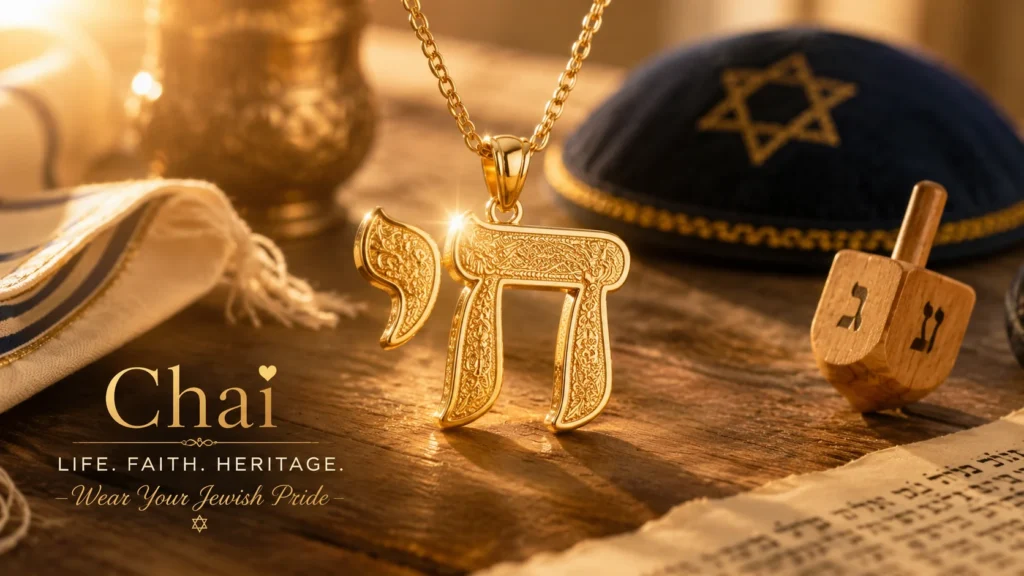
Chai (חי) in Hebrew means “life.” It is a powerful and meaningful term often used in Jewish culture to symbolize vitality, well being, and the celebration of life.
In Hebrew, some words carry weight far beyond their literal meaning, and “Chai” is one of them. This simple, two letter word—חי—literally translates to “life,” yet its cultural, spiritual, and emotional significance runs deep. From jewelry and toasts to philosophical conversations, “Chai” resonates with people both inside and outside the Jewish community. But what exactly makes it so iconic, and how is it used in daily life? Let’s dive in.
Origin of the Word “Chai”
The word “Chai” comes from the Hebrew root ח-י-ה (Chet Yod Heh), which pertains to life, living, or existence. In the Hebrew language, roots carry meaning that extends to multiple related words. For example:
| Hebrew Word | Transliteration | Meaning |
| חי | Chai | Life |
| חיים | Chayim | Lives / Life (plural) |
| תחיה | Tchayah | She/He will live / revival |
The root system in Hebrew reflects a profound connection between words, thought, and experience. “Chai” is more than a word; it embodies the Jewish celebration of life itself.
Why “Chai” Is Popular
Cultural Significance
- Judaism and Spiritual Life: Life is a central value in Judaism. The word “Chai” represents the divine gift of existence and is often used to express gratitude and hope.
- Symbolism: Wearing a “Chai” pendant or using it in art and decorations symbolizes vitality, protection, and blessings for long life.
- Numerology (Gematria): In Hebrew numerology, letters have numerical values. Chet (ח) is 8, and Yod (י) is 10. Together, 18 is a number considered lucky and associated with giving charity or wishing someone well. This is why gifts or donations often come in multiples of 18.
Popularity Outside Jewish Communities
Even in secular settings, “Chai” is recognized as a symbol of life and positivity. Many people wear “Chai” jewelry, use it in tattoos, or incorporate it into art for its universal message.
Real World Usage of “Chai”
In Conversation
Friendly or Positive Tone:
- “L’Chaim!” (To life!) – This is a common toast in Jewish celebrations such as weddings or bar mitzvahs.
- “May you live a long and happy life – Chai!”
Neutral Usage:
- Discussing the value of life in philosophy or religious studies: “Chai is central to Jewish ethics.”
Negative or Dismissive Tone:
- Rare, but could occur sarcastically: “Yeah, good luck with that… Chai.” (Not common and culturally sensitive)
Jewelry and Art
- Chai Pendant: Often worn on necklaces, sometimes combined with the Star of David.
- Home Decor: Wall hangings, paintings, and embroidery often feature “Chai.”
- Tattoos: Increasingly popular among those who want a reminder of vitality and spiritual life.
Chai in Hebrew Numerology (Gematria)
The numerical value of letters in Hebrew, or Gematria, gives “Chai” special significance.
| Letter | Value |
| Chet (ח) | 8 |
| Yod (י) | 10 |
Total: 18 – a number symbolizing luck, prosperity, and giving. This is why gifts, donations, and celebratory gestures often involve the number 18.
Comparison With Related Terms
| Term | Meaning | Tone / Usage |
| Chai (חי) | Life | Universal, celebratory, positive |
| Chayim (חיים) | Lives / life (plural) | More formal or literary, often used in blessings or prayers |
| L’Chaim (לחיים) | To life! | Toast, celebratory, social contexts |
| Tchayah (תחיה) | Revival / she/he will live | Used in literature or religious texts, slightly formal |
This comparison helps clarify that while “Chai” is short and simple, its derivatives and related phrases convey nuanced meanings.
Alternate Meanings and Interpretations
While “Chai” primarily means “life,” context can slightly shift its interpretation:
- Spiritual Life: Emphasizing the soul or divine essence.
- Good Health: In casual conversations, it can imply vitality or well being.
- Symbolic Life: Used in art, philosophy, and numerology to represent luck, continuity, or a celebration of existence.
Polite and Professional Alternatives
In formal writing or professional contexts, you might use:
- “Life” – English translation for clarity.
- “Vitality” or “Well being” – When discussing health or quality of life.
- “Existence” – In philosophical or theological discussions.
Example Table: Common Uses of “Chai”
| Usage Context | Example | Tone |
| Toast | “L’Chaim!” | Celebratory, positive 🎉 |
| Jewelry | Wearing a “Chai” necklace | Symbolic, personal |
| Literature | “Chai represents the eternal gift of life” | Neutral, informative |
| Charity / Gematria | Donating $18 | Positive, symbolic 💰 |
| Art / Tattoo | “Chai” design | Personal, spiritual |
Practical Tips for Using “Chai”
- Cultural Sensitivity: Remember that “Chai” is deeply meaningful in Jewish culture. Use it respectfully.
- Gift Giving: Multiples of 18 are considered lucky and appropriate for occasions like birthdays, weddings, and charity.
- Jewelry and Decor: Opt for designs that complement the symbol’s spiritual meaning.
- Language Use: When using “Chai” in conversation, pair it with context (like L’Chaim) for clarity.
FAQs
1. What does “Chai” mean in Hebrew?
- It literally means “life” and symbolizes vitality, existence, and well being.
2. How is “Chai” pronounced?
- Pronounced like “khai” (similar to the Scottish “loch” sound for the ‘ch’).
3. What is the significance of “Chai” in Jewish culture?
- It represents the value of life, blessings, and positive energy, often used in toasts and jewelry.
4. What does L’Chaim mean?
- L’Chaim (לחיים) translates to “To life!” and is a celebratory toast.
5. Why is the number 18 associated with “Chai”?
- In Hebrew numerology, Chet (ח) = 8 and Yod (י) = 10, totaling 18, which symbolizes luck and prosperity.
6. Can “Chai” be used in tattoos or jewelry?
- Yes, it is commonly used, but it’s important to respect its cultural significance.
7. Are there negative connotations to “Chai”?
- Rarely; it is overwhelmingly positive, representing life and good fortune.
8. What are some polite alternatives to using “Chai”?
- Words like “life,” “vitality,” “well being,” or “existence” can be used in professional contexts.
Conclusion
“Chai” is more than just a Hebrew word; it is a celebration of life itself. Its simple yet profound meaning permeates Jewish culture, art, literature, and daily life. Whether used in conversation, worn as jewelry, or represented in art, “Chai” reminds us to honor existence, appreciate vitality, and embrace the blessings of life. 🌟
For anyone looking to understand, respect, and even incorporate this meaningful term into their lives, knowing the cultural, spiritual, and numerological context enhances both appreciation and usage.

Ryan Holloway is an experienced content strategist with a deep interest in etymology and word origins. He enjoys digging into the history behind words and presenting them in a straightforward, engaging way.