
Last Updated on May 11, 2026
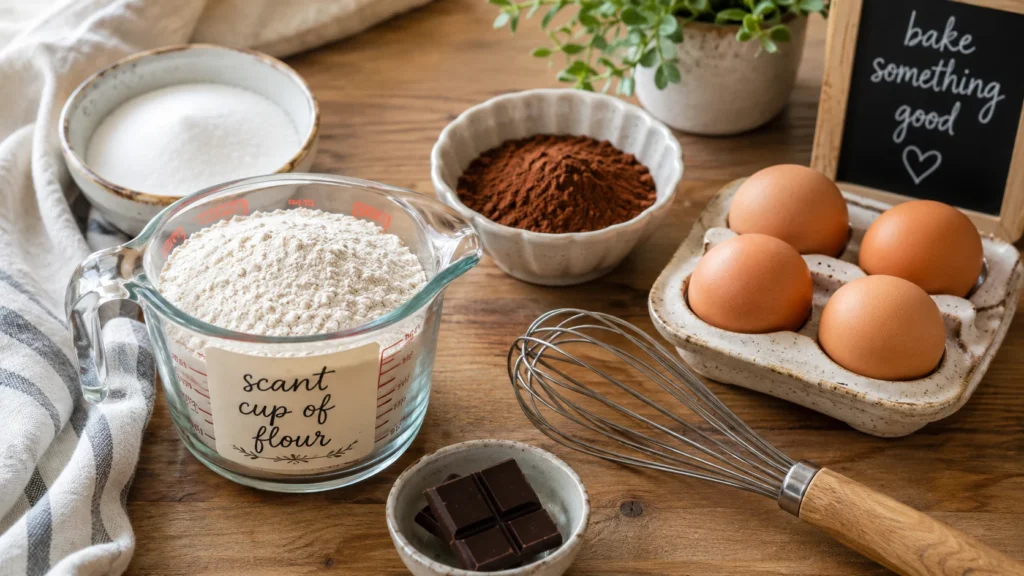
A “scant” measurement in baking means slightly less than the stated amount. For example, a scant cup of flour means just under one full cup. It’s a subtle but important distinction that can affect the texture and outcome of your baked goods.
Baking is often called a science, and rightfully so! Unlike cooking, where a pinch of this or a splash of that can still yield delicious results, baking relies on precision. That’s why understanding terms like scant, heaping, and level can make all the difference between a moist cake or a dry one, flaky cookies or dense ones.
In this article, we’ll break down everything you need to know about what scant means in baking, its origins, practical usage, comparisons with similar terms, and tips to use it like a pro. Whether you’re a beginner or an experienced baker, this guide will help you avoid common measurement mishaps and bake with confidence.
What Does “Scant” Mean in Baking?
The term “scant” is used primarily in recipes to indicate slightly less than the specified measurement. It is not an exact science, but it signals the baker to avoid filling the measuring cup completely to the brim.
Examples:
- Scant cup of flour: Just below the top edge of the cup.
- Scant teaspoon of salt: A little less than a full teaspoon.
- Scant tablespoon of sugar: Slightly under one tablespoon.
⚠️ Why it matters: Some ingredients, especially flour and dry goods, expand or react in baking. Using the full measurement when a recipe calls for a scant amount can throw off the balance, resulting in overly dense, dry, or tough baked goods.
The Origin and Popularity of “Scant” in Baking
The word scant comes from the Middle English term scanten, which means “to lessen” or “to be short of.” Historically, it was used in trade and cooking to indicate a measurement slightly less than the nominal amount.
In modern baking, the term gained popularity with the rise of written recipes and cookbooks, where precise directions became essential. Renowned bakers and cookbook authors like Rose Levy Beranbaum, King Arthur Baking, and Martha Stewart frequently use scant to ensure recipes maintain balance in flavor and texture.
How to Measure a Scant Amount Accurately
Measuring a scant amount may seem tricky at first, but with practice, it becomes second nature. Here’s a simple guide:
- Use standard measuring cups and spoons.
- Fill slightly below the brim.
- Level it off gently with a straight edge like a knife or spatula.
- Adjust by feel: When a recipe calls for a scant amount, aim for 5–10% less than the full measure.
💡 Pro Tip: For flour, use the spoon and level method: lightly spoon flour into a measuring cup, then level it off. Remove a tiny pinch to achieve a scant amount.
Scant vs Level vs Heaping: Baking Measurement Comparison
Understanding scant is easier when compared with related terms:
| Term | Meaning | Example in Baking |
| Scant | Slightly less than the measurement | Scant cup of flour |
| Level | Exact measurement, leveled off to the top | 1 cup of sugar, leveled |
| Heaping | More than the measurement, rounded or piled up | Heaping tablespoon of cocoa powder |
| Pinch | Very small amount, usually between fingers | Pinch of salt |
| Dash | Slightly larger than a pinch, often used for liquids | Dash of vanilla extract |
📌 Key takeaway: When a recipe says scant, resist the urge to fill the cup completely. It’s intentional and ensures perfect baking results.
Real World Examples of “Scant” in Recipes
Here are some practical examples of using scant in popular recipes:
- Scant Cup of Flour in Cookies 🍪
A cookie recipe may call for 2 cups of flour, but using 2 scant cups prevents dry, crumbly cookies and gives them a soft, chewy texture. - Scant Teaspoon of Baking Powder
Using a full teaspoon instead of a scant teaspoon can make muffins rise too fast, creating air pockets and an uneven texture. - Scant Tablespoon of Cocoa in Brownies
Slightly under measuring cocoa powder can reduce bitterness and balance the sweetness, improving flavor.
Alternate Meanings of Scant (Briefly)
While scant is most commonly used in baking, it can appear in other contexts:
- Everyday English: “There’s scant evidence” meaning very little or barely any.
- Sewing or Fabric: “Scant allowance” slightly less than the standard amount of material.
⚠️ Tip: In baking, always interpret scant in the context of measurement.
Polite or Professional Alternatives to “Scant”
If you prefer professional or modern wording in your recipes, here are some alternatives:
- Slightly less than (e.g., “slightly less than 1 cup of flour”)
- Just under (e.g., “just under 1 teaspoon of salt”)
- A hair below (more casual/friendly)
These alternatives maintain clarity for bakers unfamiliar with the term scant.
Common Mistakes When Using Scant Measurements
- Ignoring the instruction: Filling the cup completely when the recipe says scant.
- Over adjusting: Removing too much, resulting in too little of the ingredient.
- Not leveling: Uneven cups lead to inconsistent results.
- Not considering ingredient density: For instance, brown sugar is packed, so scant is measured differently than flour.
💡 Tip: Always measure dry and wet ingredients separately and adjust based on the recipe’s tone (friendly, neutral, or technical).
FAQs
1. What does scant mean in a recipe?
A scant measurement means slightly less than the stated amount. For example, a scant cup of flour is just under a full cup.
2. Is scant the same as less?
Yes, but it’s more precise it indicates just a little less, not a significantly reduced amount.
3. Can I use a scant amount for liquids?
Yes, but it’s less common. Most recipes specify scant for dry ingredients, though it can apply to liquids like milk or oil.
4. How do I measure a scant cup?
Fill the measuring cup slightly below the brim and level it off with a straight edge or knife.
5. Is scant important in baking?
Absolutely! Small differences in dry ingredients can affect texture, rise, and flavor.
6. What’s the difference between scant and heaping?
A scant amount is slightly less, while a heaping amount is slightly more than the stated measure.
7. Can I replace scant with “just under” in a recipe?
Yes, “just under” is a clear alternative that conveys the same instruction.
8. Why do some recipes use scant measurements?
Scant measurements are used to control ingredient balance, prevent over thickening, and maintain optimal texture and flavor.
Example Table: Scant Measurements for Common Baking Ingredients
| Ingredient | Full Measurement | Scant Measurement |
| All purpose flour | 1 cup | ~7/8 cup |
| Granulated sugar | 1 tablespoon | ~13/16 tablespoon |
| Salt | 1 teaspoon | ~7/8 teaspoon |
| Cocoa powder | 1/4 cup | Slightly less than 1/4 cup |
| Baking powder | 1 teaspoon | Just under 1 teaspoon |
This table helps bakers adjust measurements with confidence, ensuring perfect results every time.
Conclusion
- Scant = slightly less than the stated measurement.
- Use standard measuring tools and level carefully.
- Pay attention to dry vs. wet ingredients scant mostly applies to dry.
- Compare with related terms: heaping, level, pinch.
- Use alternative wording like slightly less than for clarity in recipes.
Mastering scant will make your baked goods more consistent, flavorful, and professional looking. It’s one of those small details that separates good bakers from great ones.

Ethan Ware is a digital writer and internet culture enthusiast who stays on top of the latest slang, trends and viral phrases. He specializes in making modern language easy to understand for readers of all ages.